 SehatSphere.com
Mental Stress: Causes, Symptoms & 10 Ways to Reduce It Naturally
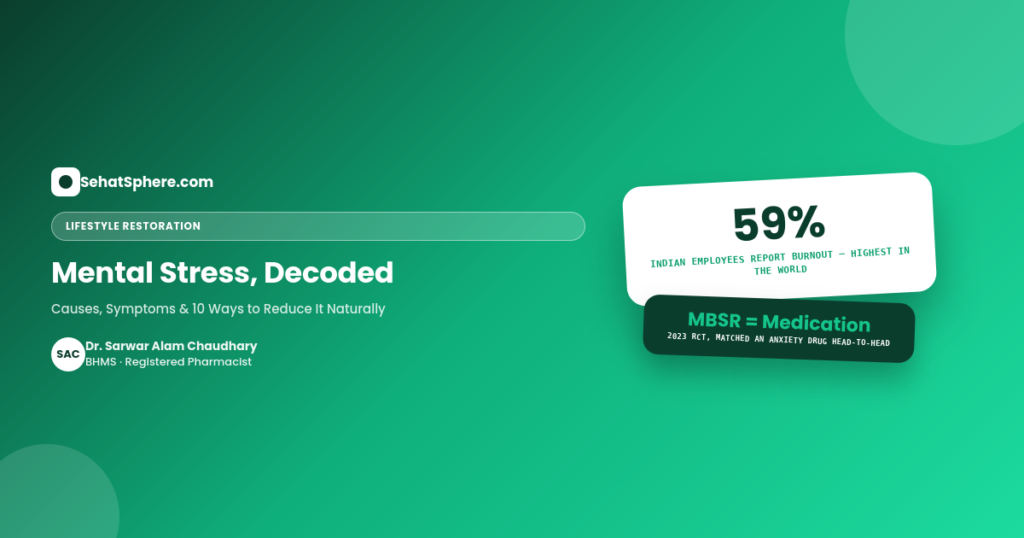
India carries one of the highest burnout rates in the world — 59% of Indian employees report burnout symptoms, against a global average of just 20%, per a 2023 McKinsey Health Institute study. Almost everyone assumes they understand mental stress, until it starts running their sleep, their appetite, and their patience.
Key takeaways:
- Stress itself isn’t the problem — a short burst is normal, useful biology. The concern is when the same hormonal response stays switched on for weeks.
- India’s stress numbers are genuinely stark: 59% burnout (McKinsey, 2023), 30% daily stress and roughly half wanting to switch jobs (Gallup, 2025).
- A 2023 randomized trial found mindfulness-based stress reduction performed as well as a first-line anxiety medication — not a wellness claim, a controlled clinical result.
- The genuinely well-supported list of fixes is shorter and less exciting than most “stress hack” content suggests — but it actually works.
- What stress actually is
- How big is this in India
- 8 common causes
- Symptoms, by category
- What chronic stress does to your body
- 10 ways that actually work
- Which technique has the strongest evidence
- Guided breathing exercise
- 7-day reset plan
- The bigger health picture
- When to see a doctor
- Quick self-check
- FAQs
What Mental Stress Actually Is
When you sense pressure or danger — real or perceived — your hypothalamus alerts your adrenal glands to release adrenaline and cortisol. Within a minute, adrenaline raises your heart rate and blood pressure. Cortisol raises blood sugar and temporarily redirects resources away from digestion, immunity, and reproduction, toward dealing with whatever’s in front of you.
This response evolved to protect against physical threats. The problem is that modern stressors — deadlines, EMIs, relationship conflict, doomscrolling — trigger the exact same hormonal cascade, but rarely resolve in minutes the way a physical threat would.
| Acute Stress | Chronic Stress |
|---|---|
| Short bursts before an exam or deadline. Resolves once the situation passes. Can even improve performance. | Stays switched on for weeks or months. Linked to measurably higher risk of anxiety, depression, and physical illness. |
How Big Is This in India?
This isn’t a fringe concern. The 2023 McKinsey Health Institute survey found 59% of Indian employees reporting burnout symptoms — the highest of any country surveyed, against a worldwide average of 20%. Gallup’s 2025 State of the Global Workplace report found 30% of Indian employees experiencing daily stress, with nearly half actively looking to change jobs. Younger professionals carry a disproportionate share: a 2025 YourDOST survey of over 5,000 employees found 64% of those aged 21–30 battling high stress.
The American Psychological Association’s own 2022 survey found 76% of adults reported at least one stress symptom in the previous month — the point being, you are genuinely not managing something unusual or rare.
What To Read Next
- Does Anger Raise Blood Pressure? The scientific truth about stress and blood pressure.
- Morning Blood Pressure Spikes: The same cortisol pathway, from a different angle.
- Early Signs of a Weak Heart: Symptoms stress and heart health share.
8 Common Causes
Stress rarely comes from one clean source — it’s usually layered. Understanding the specific driver behind yours matters more than generic advice to “just relax.”
1. Work pressure and deadlines
Constant deadlines, unclear expectations, or a demanding boss keep the stress response switched on for hours at a stretch.
2. Financial worry
Money stress is unique because it’s rarely a single event — it’s a background hum that can persist for years.
3. Relationship conflict
Unresolved tension with a partner, family member, or friend keeps the nervous system on alert even during quiet moments.
4. Social media comparison
Constant exposure to curated highlight reels of other people’s lives is consistently linked to higher anxiety and lower life satisfaction.
5. Poor or insufficient sleep
Sleep deprivation and stress feed each other in a loop — poor sleep raises cortisol, and raised cortisol makes it harder to fall asleep.
6. Major life changes
Even positive changes — a new job, marriage, a new baby — register as stress because they demand adaptation.
7. Health conditions and medications
Chronic illness, pain, or certain medicines (stimulants, steroids) can directly contribute to a stressed physiological state.
8. Information overload
A constant stream of news and notifications keeps the brain scanning for threats, rarely allowing it to fully stand down.
Symptoms, By Category
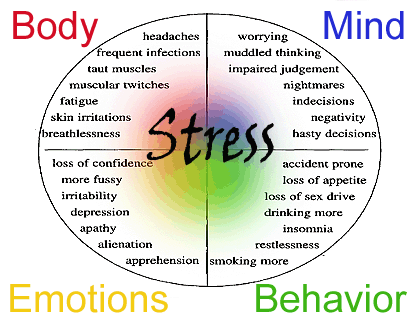
Stress shows up differently for everyone. Recognizing your own pattern early makes it easier to manage.
| Category | Common Symptoms |
|---|---|
| Emotional | Overthinking, irritability, feeling overwhelmed, low mood |
| Physical | Low energy, headaches, muscle tension, upset stomach |
| Behavioral | Sleep issues, appetite changes, procrastination, withdrawing from people |
| Cognitive | Trouble concentrating, forgetfulness, racing thoughts |
Muscle tension is almost a reflex response to stress — the body’s way of guarding against injury. With sudden stress, muscles tense and release. With chronic stress, they can stay tense for weeks, which is exactly why tension headaches are so common in stressed people.
What Chronic Stress Actually Does to Your Body
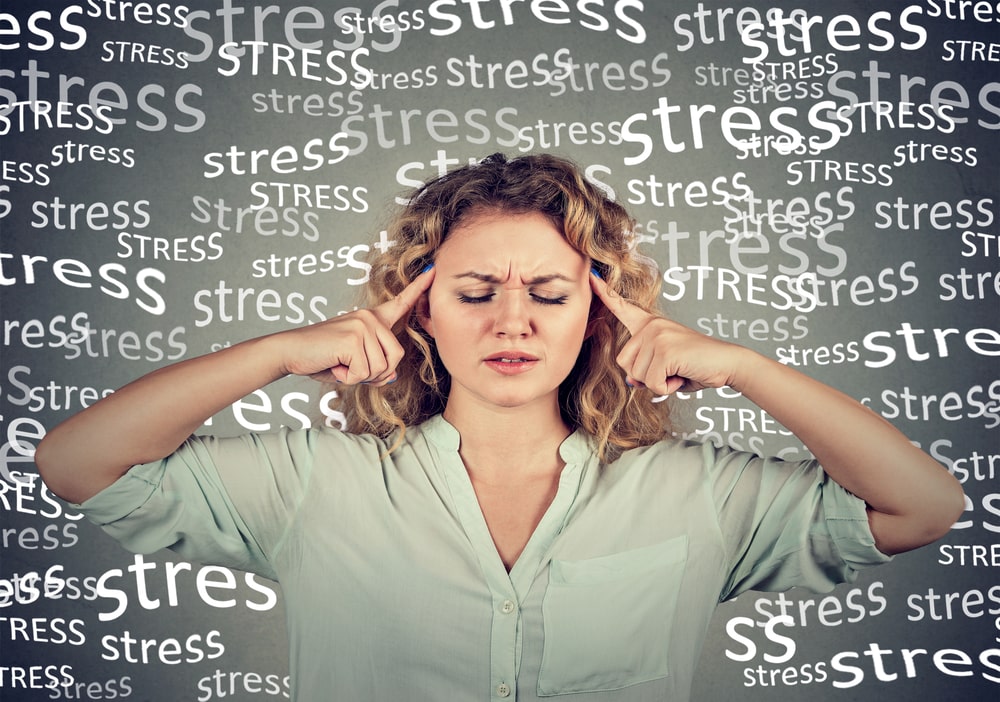
This isn’t a loose metaphor — sustained cortisol elevation affects real physiological systems, genuinely linked to elevated cardiovascular risk, depression, and measurably weaker immune function.
| System | What Can Happen |
|---|---|
| Heart | Higher blood pressure and heart rate; long-term cardiovascular risk |
| Mind | Higher risk of anxiety and depression |
| Immune system | Weaker immune response, slower healing |
| Digestive system | Bloating, acidity, appetite changes |
| Sleep | Insomnia, disturbed sleep cycles |
| Weight | Weight gain, especially abdominal, linked to elevated cortisol |
If you’re already managing a heart condition, this connection is worth reading alongside our early signs of a weak heart guide and the research on whether anger measurably raises blood pressure. Morning cortisol specifically compounds with your body’s own natural wake-up surge — our morning BP spikes guide covers this exact overlap, and our BP medicine timing guide and normal blood pressure by age guide round out the bigger picture if blood pressure is already part of your health routine. The digestive symptoms above are also worth cross-checking against our GERD and silent reflux guide, since stress-related acidity and genuine reflux disease can look identical day to day.
10 Ways That Actually Work
The genuinely well-supported list for reducing mental stress is shorter and less exciting than most “stress hack” content suggests — but it actually works.
1. Regular physical exercise
Even a 30-minute walk lowers circulating cortisol and boosts mood-regulating neurotransmitters.
2. Daily meditation or mindfulness
Just 10 minutes a day has been shown to measurably lower perceived stress over a few weeks.
3. Consistent sleep schedule
Going to bed and waking at the same time daily helps regulate your cortisol rhythm, not just your energy levels.
4. Digital detox
Structured downtime away from screens — especially the last hour before bed — reduces the low-grade alertness news and notifications create.
5. Time in nature
Even short exposure to green spaces is linked to lower cortisol and improved mood across multiple studies.
6. Deep breathing exercises
Slow, controlled breathing directly activates your parasympathetic (“rest and digest”) nervous system — try the guided tool below.
7. Journaling
Writing down what’s on your mind, even for 5 minutes, helps offload racing thoughts before bed.
8. Social connection
Talking to someone you trust is one of the fastest ways to lower stress hormones — isolation tends to amplify stress.
9. Limit caffeine and alcohol
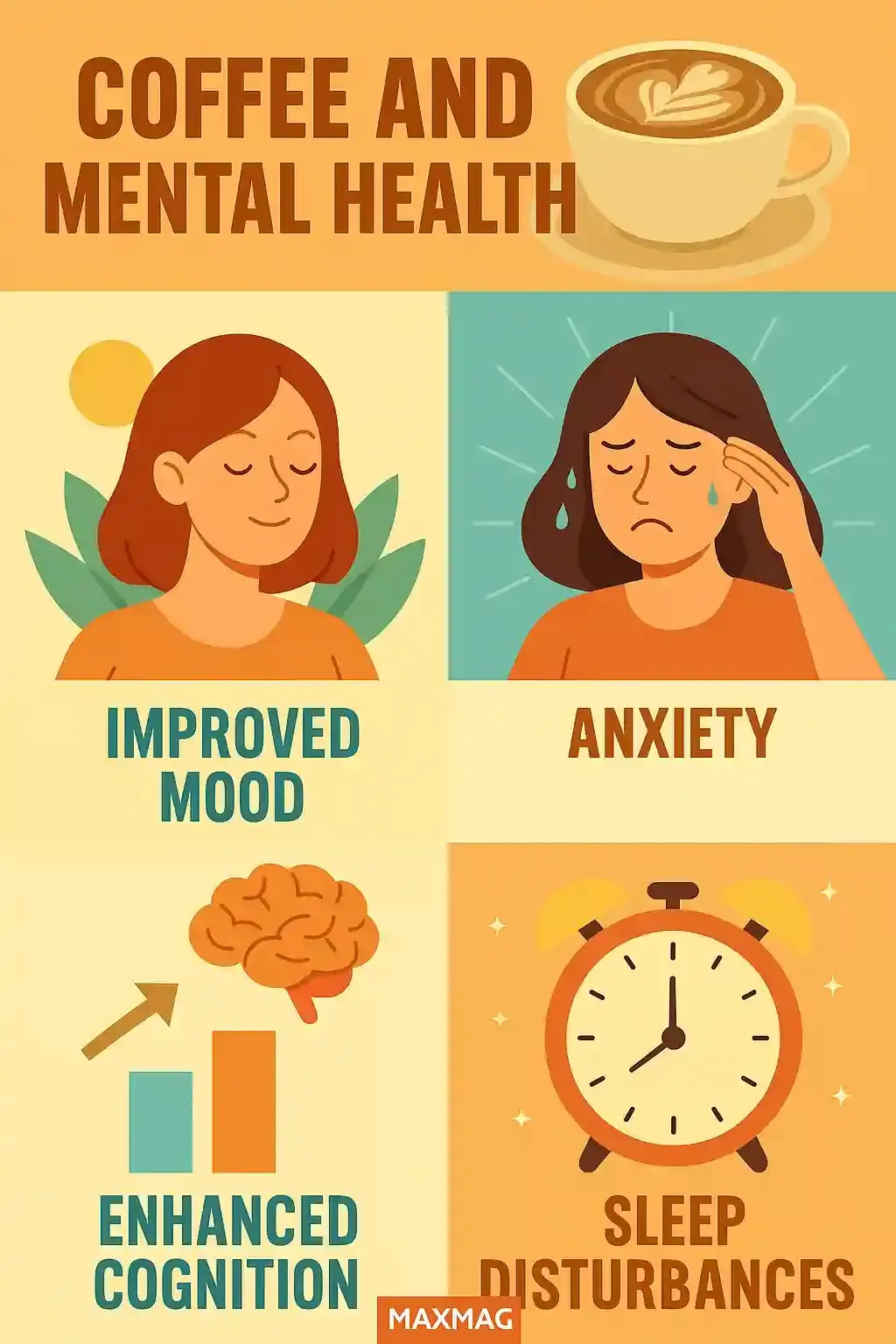
Both can worsen the physical symptoms of stress and disturb the sleep you need to recover from it.
10. Nutrition and micronutrients
Magnesium status genuinely affects stress resilience for some people, and adaptogens like ashwagandha are worth understanding before trying, especially alongside other medication. Not sure if you’re low on stress-relevant nutrients? Try the free Nutrient Deficiency Symptom Finder.
The sauna and cold-exposure trends have a genuine, if modest, stress-response angle. Our sauna guide and cold plunge guide cover what to check first, especially if you take regular medication.
Which Technique Has the Strongest Evidence?
Not all “stress relief” is equally proven, and it’s worth being honest about which techniques have the strongest data behind them rather than treating the list above as equally weighted.
A separate meta-analysis of 61 studies (3,440 subjects) comparing meditation types for stress-related outcomes found Transcendental Meditation showed the largest effect size of the categories studied, ahead of standard mindfulness-based approaches. A large 2024 study across 37 sites (2,239 participants) testing self-administered techniques found body-scan meditation the most effective single method, with very strong statistical confidence. None of this means other techniques don’t work — over 200 studies support mindfulness broadly for stress, anxiety, and depression — but if you’re choosing where to start, this is genuinely where the strongest evidence points.
Guided Breathing Exercise
Try box breathing — inhale, hold, exhale, hold, each for 4 seconds. This directly activates your parasympathetic calming response.
A Daily Structure Worth Trying
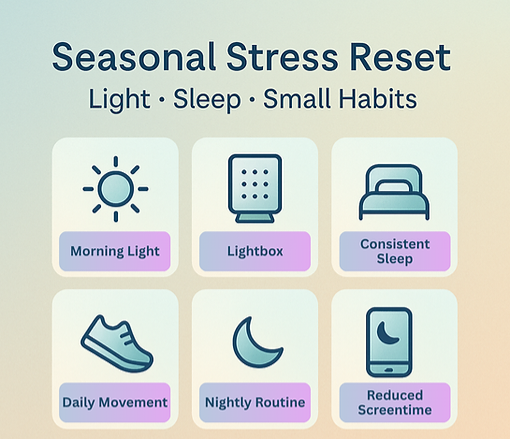
- Morning: A few minutes of sunlight exposure + short meditation or breathing practice
- Afternoon: One focused work block with phone notifications off
- Evening: 20–30 minutes of physical activity
- Night: No phone for the last 30–60 minutes before bed
Ignoring early stress signals until they become physical illness. Having no wind-down habit at all. Sacrificing sleep to “catch up” on work. Using caffeine or alcohol to manage mood instead of the actual stressor. Trying to fix everything at once instead of one small habit at a time.
7-Day Stress Reset Plan
This plan builds one small habit at a time instead of overhauling everything at once. It does not replace professional mental health care.
| Day | Main Goal | Action |
|---|---|---|
| 1 | Notice your pattern | Write down when and where you feel most stressed today |
| 2 | Move your body | Take a 20–30 minute walk or any activity you enjoy |
| 3 | Try breathing practice | Use the guided breathing tool above for 5 minutes |
| 4 | Digital boundary | No phone for the first and last 30 minutes of your day |
| 5 | Connect | Have one real conversation with someone you trust |
| 6 | Protect sleep | Aim for 7–9 hours, same bedtime as the night before |
| 7 | Reflect | Review what actually helped this week and keep doing it |
The Bigger Picture Worth Knowing
Stress rarely stays contained to “just the mind” — it shows up across nearly every routine health check you’ll ever have. Elevated cortisol can subtly affect blood sugar and even kidney-related lab markers over time, which is part of why our high creatinine levels guide and creatine and blood test guide both mention context and stress-driven physiology as factors worth ruling out alongside any single scary lab number. Fatigue that doesn’t match your sleep is also a genuine overlap symptom with B12 deficiency, worth ruling out rather than assuming it’s “just stress” by default.
If everyday caffeine is part of how you’re coping — a proffee habit, extra cups through the day — our proffee guide covers how that specific habit interacts with an already-elevated stress response. And for the broader medication and blood-pressure picture that stress touches, our Complete Guide to Blood Pressure, BP fluctuation guide, and Complete Guide to Medicine Safety are the broader frameworks this guide sits inside. If cost is ever a barrier to staying consistent with any prescribed treatment, our generic medicine pricing guide is worth a look, and the free Blood Report Decoder can help make sense of any lab work that comes up along the way.
When Should You See a Doctor?
Stress that interferes with work, sleep, or relationships for more than a few weeks. Panic attacks or physical symptoms like chest tightness and a racing heart with no clear cause. Persistent low mood, hopelessness, or loss of interest in things you used to enjoy. Using alcohol, food, or other substances to cope more than you’d like to. Any thoughts of harming yourself.
If stress is affecting your daily life, or you’re having thoughts of self-harm, please reach out to a mental health professional or a crisis helpline in your area. Asking for help is a sign of strength, not failure — and it works.
If medicines or supplements are part of your routine, timing and interactions genuinely matter — one of the most common medicine mistakes people make is combining stress-relief supplements with prescription medicines without checking first, or getting thyroid medication timing wrong when stress disrupts a routine. If you’re managing multiple prescriptions — a cholesterol medicine, an acid-reducer, or anything else — our statins guide, pantoprazole guide, and the free Integrative Interaction Checker are worth running through, since stress genuinely affects how consistently people take their existing medications, not just how they feel.
Quick Self-Check
Select what you’ve noticed in the past two weeks. This is for educational purposes only, not a diagnosis.
Frequently Asked Questions
What is mental stress?
Mental stress is the body’s physiological reaction to pressure, triggering hormones like cortisol and adrenaline that affect the brain, sleep, mood, and cardiovascular system.
Is stress always bad?
No. Short-term stress is a normal, even useful survival response that can improve focus and performance. Chronic, unresolved stress is the real concern.
How long does it take to reduce stress naturally?
Many people notice improvement within 2-3 weeks of consistent habits like exercise, sleep regulation, and mindfulness practice.
Can stress cause physical illness?
Yes. Chronic stress is linked to higher risk of heart disease, weakened immunity, digestive issues, and sleep problems.
Does exercise really help with stress?
Yes. Even a 30-minute walk lowers circulating cortisol and boosts mood-regulating brain chemicals.
What is the fastest way to calm down in the moment?
Slow, controlled breathing, like the box breathing exercise above, directly activates your body’s calming nervous system response within minutes.
Is mindfulness meditation as effective as medication for anxiety?
A 2023 randomized controlled trial found mindfulness-based stress reduction performed as well as escitalopram, a standard first-line anxiety medication, in a head-to-head comparison.
Can diet affect stress levels?
Yes. Magnesium status and overall nutrition genuinely affect stress resilience for many people.
When should I see a doctor for stress?
If stress interferes with work, sleep, or relationships for more than a few weeks, or comes with panic attacks or persistent low mood, it’s time to speak with a professional.
Can stress affect sleep?
Yes. Poor sleep and stress feed each other in a loop – stress raises cortisol, which makes it harder to fall and stay asleep.
The Bottom Line
Stress isn’t the enemy – a short burst is normal, useful biology that sharpens focus and gets you through a deadline. Mental stress becomes a genuine health problem only when the same hormonal response never fully switches off, quietly raising your blood pressure, weakening your immune system, and disrupting the sleep you need to recover. The fixes that actually work are less exciting than most content promises – consistent sleep, movement, breathing, connection – but they’re backed by real trials, including one that found meditation matched a prescription medication head-to-head. Start with one change, give it two weeks, and build from there.
- American Psychological Association. Stress effects on the body. apa.org
- Hoge EA, et al. Mindfulness-Based Stress Reduction vs Escitalopram for the Treatment of Adults With Anxiety Disorders. JAMA Psychiatry, 2023.
- Mayo Clinic. Chronic stress puts your health at risk. mayoclinic.org
View All References (6) ▾
- McKinsey Health Institute. Employee burnout benchmarking, 2023.
- Gallup. State of the Global Workplace, 2025-2026 reports.
- Effectiveness of Meditation Techniques in Treating PTSD: A Systematic Review and Meta-Analysis. PMC