 SehatSphere.com
FDA Intranasal Zinc Loss of Smell Warning: The Complete History, Science, and What Zicam Users Need to Know
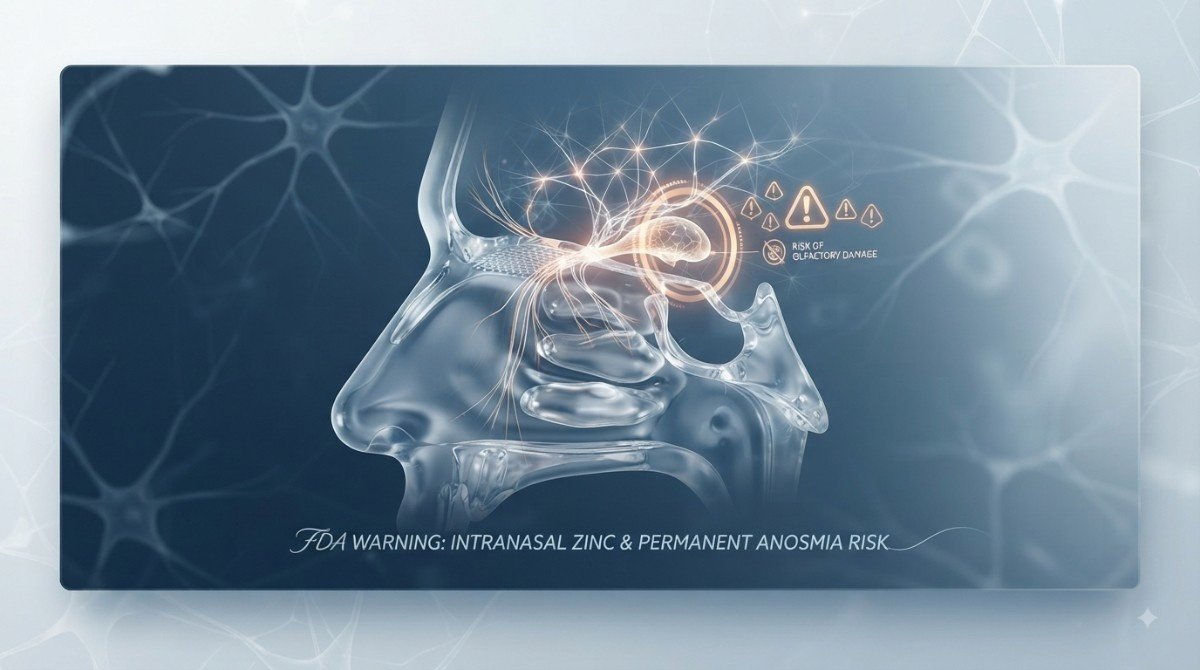
If you’ve come across the FDA intranasal zinc loss of smell warning while researching cold remedies, here’s what actually happened: in 2009, the FDA warned consumers to stop using certain zinc-based nasal products after receiving reports of sudden, sometimes permanent, loss of smell. What most articles leave out is the fuller story — a 20-year legal battle, a regulatory loophole that let these products skip safety testing entirely, and a specific mechanism that explains exactly why nasal zinc behaves so differently from the zinc tablets sitting in your medicine cabinet.
Key takeaways:
- In 2009, the FDA sent a warning letter after receiving 130+ reports of anosmia (loss of smell) linked to Zicam nasal zinc products.
- The risk is specific to nasal zinc — oral zinc lozenges and tablets are not linked to this type of smell loss.
- Zicam’s nasal products were originally classified as “homeopathic,” a loophole that let them skip the FDA safety testing required of standard drugs — until this warning forced a reclassification.
- Legal settlements over Zicam-related anosmia have totaled more than $27 million across two major rounds, involving over 1,300 claimants combined.
- Smell loss from nasal zinc can happen after a single use and is frequently permanent; stopping immediately and seeing a doctor is the only real course of action once symptoms start.
- The full timeline, 1999 to today
- Why nasal zinc specifically causes this
- The homeopathic loophole that delayed oversight
- Why this matters beyond Zicam
- The legal battle, in numbers
- Oral zinc vs nasal zinc: the real difference
- Symptoms and how fast they appear
- What losing your sense of smell actually costs
- Is recovery possible?
- What to do if you’ve used these products
- Nasal products deserve more scrutiny
- Safer alternatives for cold symptoms
- Quick self-check
- FAQs
The Full Timeline, 1999 to Today
This story is longer and more consequential than a single FDA notice, and knowing the full arc genuinely changes how seriously the warning deserves to be taken.
| Year | What Happened |
|---|---|
| 1999 | Zicam nasal gel launches, marketed as a homeopathic cold remedy |
| Mid-2005 | First individual lawsuit over Zicam-related anosmia settled |
| January 2006 | Matrixx Initiatives pays $12 million to settle a class action on behalf of 340 users |
| June 2009 | FDA issues formal warning after 130+ reports of smell loss; recall follows within hours |
| Late 2009 | Matrixx disputes the finding; FDA reaffirms its warning |
| Later settlement | Matrixx agrees to pay $15.5 million to 1,014 plaintiffs and 1,127 claimants |
The FDA intranasal zinc loss of smell warning wasn’t a single event — it was the culmination of a decade-long pattern that regulators, courts, and the manufacturer fought over repeatedly, with the company maintaining throughout that “there is no reliable scientific evidence that Zicam causes loss of ability to smell,” even as it quietly settled hundreds of individual claims. This same pattern — a manufacturer disputing a safety signal that regulators ultimately acted on anyway — shows up across other medication-safety stories too, including our pantoprazole side effects guide and statins guide, where genuine risks took years of accumulated real-world reports before being fully acknowledged.
Why Nasal Zinc Specifically Causes This
The mechanism here is genuinely specific, not a vague “zinc is risky” claim. Zicam’s recalled nasal products contained zinc gluconate applied directly inside the nasal cavity — positioned extremely close to the olfactory nerve, the nerve directly responsible for your sense of smell. Lawsuits alleged this direct proximity allowed zinc to damage the nerve tissue itself, sometimes irreversibly. Matrixx’s own defense argued the opposite — that the product didn’t penetrate deep enough into nasal tissue to cause this damage. The FDA, after reviewing the accumulated reports, sided against the company’s position clearly enough to force the products off shelves entirely.
What To Read Next
- Zinc Deficiency Symptoms: The real, documented case for zinc — and why more isn’t automatically better.
- Is “Boosting” Immunity Even the Right Goal? Why the zinc-immunity marketing story is more complicated than it sounds.
- Common Antibiotic Mistakes: Another common cold-and-flu-season medication mistake worth knowing.
The Homeopathic Loophole That Delayed Oversight
This is a genuinely important, underdiscussed regulatory detail. Zicam’s nasal products never went through standard FDA drug approval in the first place — they were classified as homeopathic remedies, a category that historically let manufacturers skip the safety and efficacy testing required of conventional over-the-counter drugs. This loophole meant a product could reach millions of consumers’ noses without ever being formally proven safe for that specific use.
The FDA’s 2009 action was notable precisely because it asserted regulatory authority it doesn’t always exercise over homeopathic products: once a genuine safety signal was identified, the agency forced Matrixx to submit real safety and effectiveness data before the nasal products could ever return to market — something they never actually did. The products have remained off shelves in their original form ever since.
Why This Matters Beyond Zicam
This case is genuinely worth understanding as a broader pattern, not just a single product’s history. “Natural,” “homeopathic,” or supplement-labeled products in general face meaningfully less pre-market scrutiny than conventional pharmaceuticals — a gap our ashwagandha thyroid interactions guide touches on from a different angle, since real interactions and risks can exist even for products marketed as gentle or natural. The Zicam case is a genuine, documented example of exactly this gap causing real, physical harm before regulators intervened — worth remembering any time “it’s natural, so it’s safe” gets used as a reason to skip real scrutiny.
The Legal Battle, In Numbers
| Metric | Figure |
|---|---|
| Total reports that triggered FDA action | 130+ |
| First class-action settlement (2006) | $12 million / 340 users |
| Second major settlement | $15.5 million / 1,014 plaintiffs |
| Combined settlements | $27.5+ million |
| Share of Matrixx’s total sales lost | ~40% (nasal products’ share of revenue) |
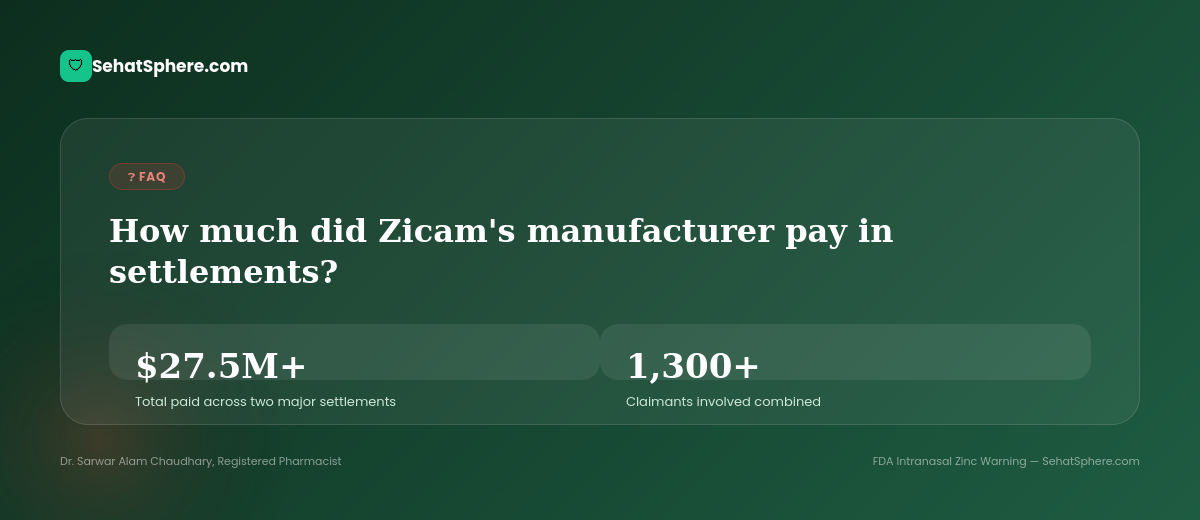
The business consequence was immediate and severe: Matrixx Initiatives’ stock price dropped by more than $13 per share — falling to just over $6 — within hours of the FDA warning going public. Nasal gel and swab products alone had accounted for roughly 40% of the company’s total sales at the time. This is precisely the kind of case where financial stakes this large explain why the company fought the finding in public for years rather than accepting it quietly.
Oral Zinc vs Nasal Zinc: The Real Difference
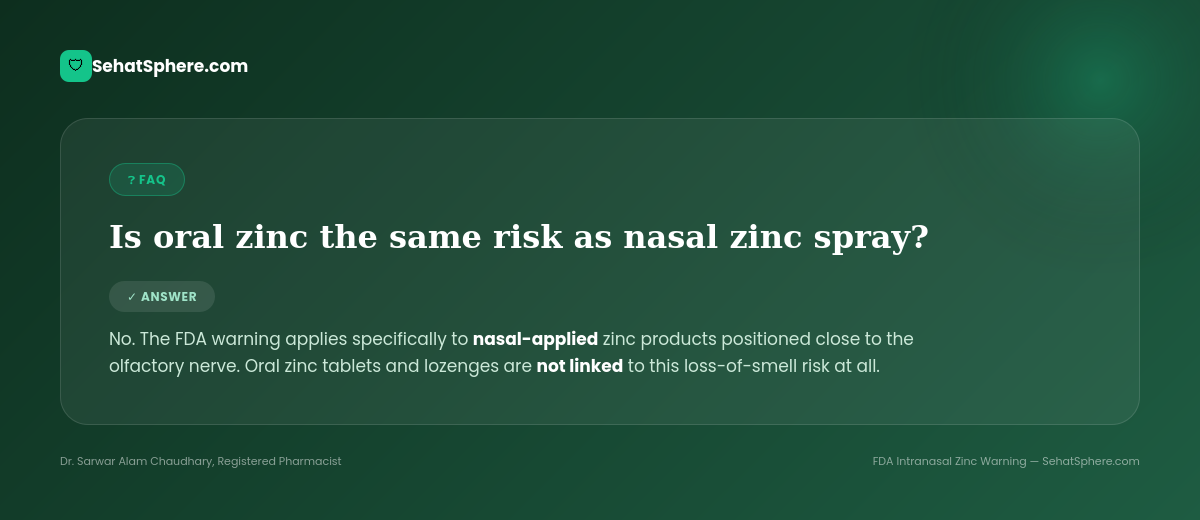
This distinction deserves to be stated as clearly as possible, since confusion here leads to unnecessary panic about entirely safe products. The FDA intranasal zinc loss of smell warning applies specifically to products placed inside the nose, positioned close enough to the olfactory nerve to plausibly cause direct damage.
| Form | Anosmia Risk |
|---|---|
| Nasal gels, sprays, swabs | Documented risk — subject of FDA warning |
| Oral zinc lozenges | Not linked to this specific risk |
| Oral zinc tablets/capsules | Not linked to this specific risk |
Our zinc deficiency symptoms guide covers the genuine, well-documented case for oral zinc — including real deficiency data across India — entirely separate from this specific nasal-application risk. The two shouldn’t be conflated: a zinc tablet for immune support and a zinc gel sprayed directly up the nose are genuinely different exposures with genuinely different risk profiles.
Symptoms and How Fast They Appear
A burning sensation in the nose immediately after application. Sudden reduction or complete loss of smell, sometimes within minutes of a single dose. Loss of taste (since taste and smell are closely linked). Symptoms that don’t improve within days of stopping use.
What makes this genuinely alarming is the reported speed: many affected users described losing their sense of smell after just their first use, not after prolonged or repeated exposure. This isn’t a cumulative-dose risk in the way many drug side effects are — a single application was, for some users, enough to cause lasting damage. Our heart attack in young adults guide covers a similar pattern of a serious event happening far faster than most people expect from a seemingly ordinary product or symptom.
What Losing Your Sense of Smell Actually Costs
This deserves more attention than it typically gets, since anosmia is often dismissed as a minor inconvenience rather than the genuine quality-of-life and safety issue it actually is. Beyond the obvious loss of enjoying food and fragrance, smell loss removes a genuine safety function: the ability to detect smoke, gas leaks, or spoiled food before they cause real harm. Documented consequences include real, measurable depression, decreased enjoyment of eating (sometimes leading to unintended weight changes), and a persistent, low-grade sense of disconnection from daily life that people who haven’t experienced it consistently underestimate. Our mental stress guide is worth reading if you’re navigating this kind of unexpected, chronic sensory loss, since the emotional toll deserves the same genuine attention as the physical cause.
Is Recovery Possible?
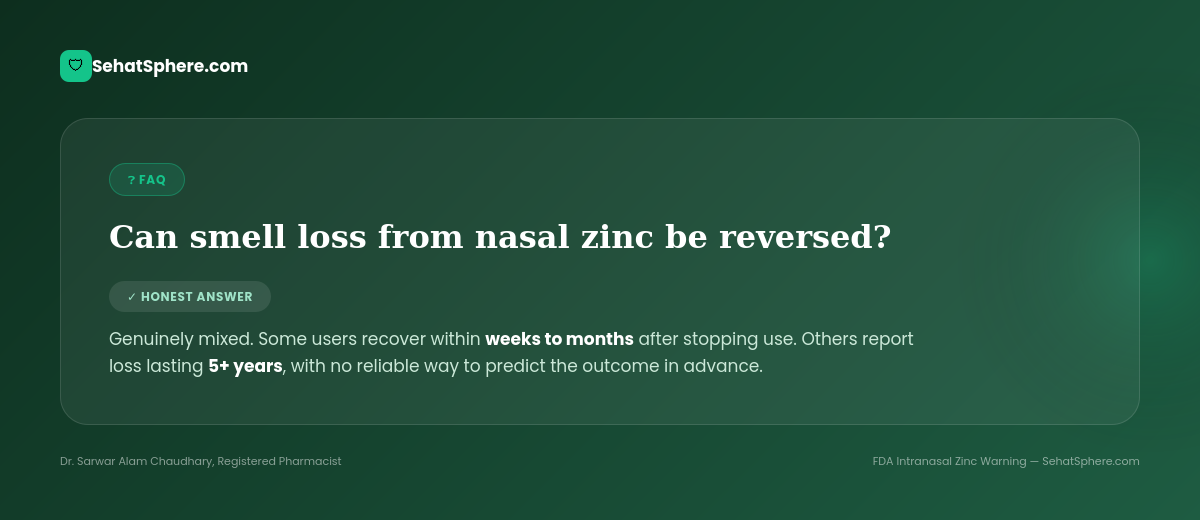
The honest answer is genuinely mixed, and worth stating plainly rather than softening. Some users recover partial or full smell function over weeks to months after stopping use. Others report smell loss lasting years, with some user accounts describing no recovery even five years after their last exposure. There’s no reliable way to predict in advance which outcome a given person will have, which is exactly why prevention — simply avoiding these specific nasal products — is the only fully reliable protection. If nutrient status is part of your broader recovery picture, our vitamin D deficiency guide and hair fall and vitamin deficiency guide both cover genuinely related territory worth reading, since nerve-related recovery generally benefits from a body that’s otherwise nutritionally well-supported.
What to Do If You’ve Used These Products
- Stop use immediately if you notice any burning sensation or change in your ability to smell, even mild.
- See a doctor promptly — an ENT (ear, nose, throat) specialist specifically, if smell changes persist beyond a few days.
- Document the timeline of product use and symptom onset, which matters both medically and if you’re considering any legal recourse.
- Don’t self-treat with additional nasal products of any kind while investigating the cause.
If cost is a concern for specialist evaluation, our generic medicine pricing guide covers a related principle worth knowing about affordable care access, and the free Integrative Interaction Checker is worth using if you’re managing multiple medications alongside this concern.
Nasal Products Deserve More Scrutiny Than They Get
This case genuinely highlights something worth extending beyond zinc specifically: anything applied directly inside the nose sits unusually close to sensitive neurological tissue, and consumers rarely apply the same caution to nasal products that they would to an oral medication or injection. Nasal decongestant sprays, for instance, carry their own well-documented risk of rebound congestion with overuse — a different mechanism, but the same underlying lesson that “just a spray” doesn’t automatically mean low-risk. If sinus or congestion issues are a recurring problem for you, this is worth raising directly with a doctor or pharmacist rather than defaulting to whatever’s available over the counter, especially during peak cold-and-flu season when self-medication temptation runs highest.
Safer Alternatives for Cold Symptoms
Genuinely effective, well-established alternatives exist that don’t carry this specific risk profile. Oral zinc lozenges (not nasal products) have some supporting evidence for shortening cold duration when started early. Saline nasal rinses are genuinely safe and can ease congestion without any comparable risk. Our common antibiotic mistakes guide is worth reading too, since colds are viral and antibiotics genuinely do nothing against them — a related, frequently-made mistake during the same cold-and-flu season this warning is most relevant to. If immune support is your actual goal, our immunity balance guide covers what genuinely, evidence-backed helps versus what’s simply marketed to. Our monsoon fever surge guide covers a similarly seasonal cluster of illnesses where the right versus wrong home-remedy choice genuinely matters.
Quick Self-Check
Tick anything that applies to you, and see what it suggests.
Frequently Asked Questions
What exactly is the FDA intranasal zinc loss of smell warning?
A 2009 FDA warning advising consumers to stop using Zicam Cold Remedy Nasal Gel and Nasal Swabs after receiving 130+ reports of anosmia, sometimes permanent, linked to these specific nasal products.
Is oral zinc dangerous for smell the same way nasal zinc is?
No. The FDA warning applies specifically to nasal-applied zinc products positioned close to the olfactory nerve. Oral zinc tablets and lozenges are not linked to this specific risk.
How much did Zicam’s manufacturer pay in lawsuit settlements?
Combined settlements have totaled more than $27.5 million across two major rounds, involving over 1,300 claimants.
Can smell loss from nasal zinc be reversed?
Sometimes. Recovery is genuinely mixed — some users regain smell within weeks to months, while others report permanent loss, including cases lasting 5+ years.
Why were Zicam nasal products never FDA-approved before the warning?
They were originally classified as homeopathic remedies, a category that historically allowed manufacturers to skip the safety testing required of standard over-the-counter drugs.
How quickly can nasal zinc cause loss of smell?
Some users reported symptoms after a single application, not just with repeated or prolonged use.
Are Zicam nasal products still sold today?
The specific recalled nasal gel, swab, and spray products have remained off shelves in their original form since the 2009 recall.
What should I do if I lose my sense of smell after using a nasal cold remedy?
Stop use immediately and see a doctor, ideally an ENT specialist, promptly for evaluation.
The Bottom Line
The FDA intranasal zinc loss of smell warning represents one of the clearer cases in consumer health history where a genuine, documented safety signal led to real regulatory action — not overcaution, but a response to over 130 reports and a mechanism (direct olfactory nerve exposure) that made biological sense. The risk is specific and narrow: nasal-applied zinc, not zinc in general. Understanding that distinction is the single most useful thing this guide can leave you with — avoid the specific nasal products this warning covers, and oral zinc for genuine deficiency remains a completely separate, well-supported conversation.
- U.S. Food and Drug Administration. FDA Warns Consumers to Stop Using Zicam Cold Remedy Nasal Products.
- AboutLawsuits.com. Agreement to Settle Zicam Loss of Smell, Taste Lawsuits Reached for $15.5M.
- AboutLawsuits.com. Zicam Recall Issued After FDA Warns About Risk of Loss of Smell.
View All References (6) ▾
- Denver Trial Lawyers. Zicam Lawsuit.
- Snopes.com. Zicam Warning: Fact Check.
- For The People. Zicam Lawsuits.