 SehatSphere.com
Glutathione and Your Medications: What the Chemotherapy Controversy Means for You
- Glutathione’s core job — neutralizing reactive oxygen species — is the same mechanism several chemotherapy drugs depend on to kill cancer cells, which is why research on supplementing it during cancer treatment is genuinely split.
- A lab study on liver cancer cells found glutathione methyl ester blunted the cell-killing effect of sorafenib and regorafenib by blocking the mitochondrial reactive oxygen species those drugs depend on.
- An often-cited SWOG study linking antioxidant use during chemo to higher recurrence risk did not actually test glutathione — it studied vitamins A, C, E, carotenoids, and CoQ10. The mechanistic concern is real, but this data point doesn’t say what it’s often quoted as saying.
- Oral glutathione has a real absorption problem: gut enzymes break much of it down before it reaches the blood, which is why N-acetylcysteine (NAC) — not glutathione itself — is the actual antidote given for acetaminophen overdose.
- A small randomized trial found 1,000 mg/day of oral glutathione for 3 weeks meaningfully improved insulin sensitivity in obese men, with and without type 2 diabetes — a genuinely positive finding, outside the skin-brightening hype.
- A published case report links a serious inflammatory reaction to an IV glutathione “wellness cocktail” in a tirzepatide patient — researchers found two contributing causes, not just contamination: the GLP-1 drug’s own dietary restriction had also depleted the amino acids needed to make glutathione.
- There’s no established human safety data for glutathione during pregnancy — the closest related trial used medically-supervised, weight-based N-acetylcysteine in high-risk preterm-birth cases, a completely different scenario from an over-the-counter decision.
- None of this makes glutathione inherently dangerous for most healthy adults. The two places that genuinely deserve caution are active cancer treatment and the unregulated IV “glow drip” industry — everything else here is a timing and sourcing conversation.
- 1. The Biochemistry Behind the Trend
- 2. The Chemotherapy Controversy
- 3. Oral, Sublingual, or IV
- 4. The NAC Connection
- 5. Other Medications to Check
- 6. Kidney, Diabetes & Pregnancy
- 7. The IV Drip Risk
- 8. Real Scenarios
- 9. Myth vs. Fact
- 10. A Safer-Use Checklist
- 11. What to Monitor
- 12. Quick Glossary
- 13. Quick Knowledge Check
- 14. FAQs
- 15. References
1. Glutathione and Your Medications: The Biochemistry Behind the Trend
Patients bring up glutathione more carefully than most supplements — usually prefaced with “this is just for my skin” or “it’s not really a medicine, right?” Glutathione and your medications occupy a more serious category than most trending supplements, not because it’s inherently dangerous, but because of where it sits biochemically: at the center of how your liver detoxifies drugs, and — in a specific, still-debated way — how chemotherapy actually kills cancer cells.
Glutathione IV drips are marketed as wellness and beauty treatments — but the biochemistry doesn’t stop caring about what else is in your system.
Glutathione is a tripeptide — glutamine, cysteine, and glycine bound together — produced continuously inside nearly every cell in your body. It’s the primary intracellular antioxidant, meaning its core job is neutralizing reactive oxygen species (ROS) before they damage DNA, proteins, and cell membranes. It’s also central to Phase II liver detoxification, where it conjugates with drugs and toxins to make them water-soluble enough to excrete.
That second role is precisely why glutathione and your medications are connected whether or not you take a supplement at all: your liver is already using endogenous glutathione to help clear a meaningful share of what you’re prescribed. Supplementing it, especially at high doses or via IV, changes the substrate available for that pathway — usually harmlessly, but not always predictably. This isn’t meant to scare anyone off glutathione entirely; it’s what I’d want a patient to understand before their next infusion appointment.
2. The Chemotherapy Controversy — Told Honestly
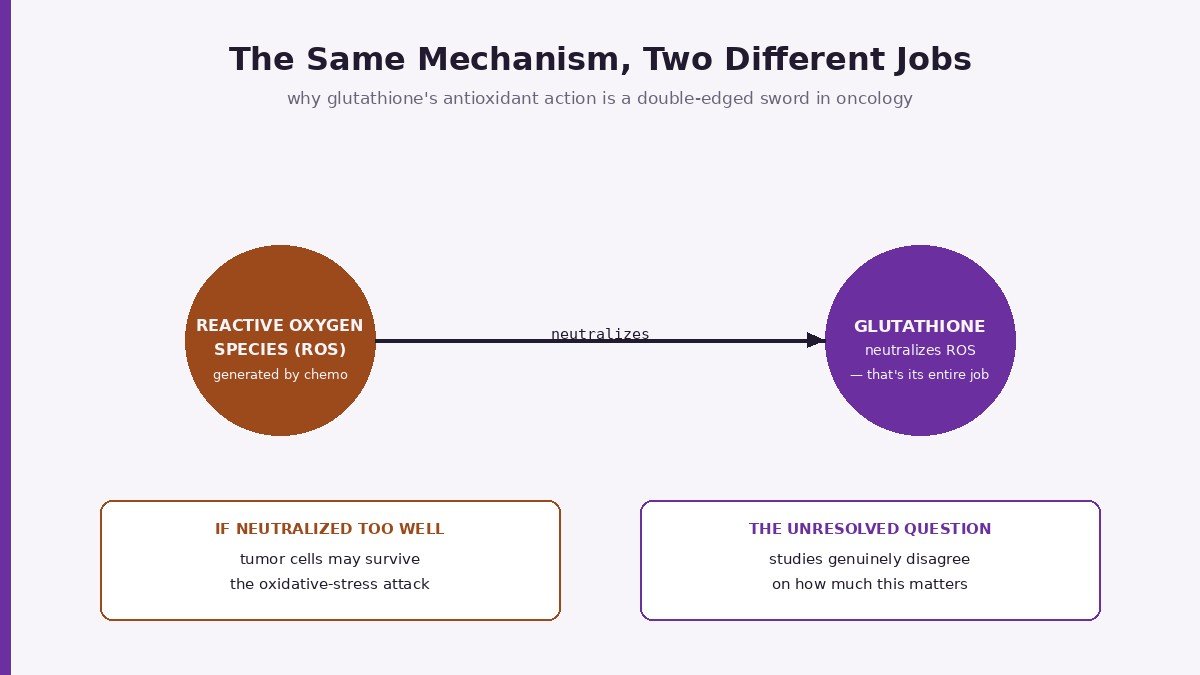
Reactive oxygen species cut both ways: chemotherapy often depends on them, while glutathione’s entire job is neutralizing them.
Here’s the part most glutathione and your medications guides skip entirely. Many chemotherapy drugs and radiotherapy work partly by generating reactive oxygen species that overwhelm and kill rapidly dividing cancer cells. Glutathione’s job, by definition, is to neutralize exactly those molecules [1]. In laboratory research on liver cancer cell lines, glutathione methyl ester measurably blunted the cell-death effect of sorafenib and regorafenib — two real chemotherapy agents — by blocking the mitochondrial ROS these drugs depend on; the same research found that in 3D tumor spheroids, adding the glutathione ester actually increased tumor growth during treatment [2].
A frequently-cited data point needs a precision correction here. A National Cancer Institute-funded SWOG study, published in the Journal of Clinical Oncology, followed 1,134 breast cancer patients and found those taking antioxidant supplements before and during chemotherapy were 41% more likely to have their cancer return, with vitamin B12, iron, and omega-3s carrying the clearest added risk [3]. This study is often summarized online as evidence “including glutathione” — but the antioxidants it actually tested were vitamins A, C, and E, carotenoids, and coenzyme Q10. Glutathione was not one of them. The mechanistic concern for glutathione specifically comes from the liver-cancer cell-line research above, not this trial — conflating the two overstates how directly glutathione itself has been studied here.
| Source | What it actually studied | Finding |
|---|---|---|
| SWOG / JCO, 2019 [3] | Vitamins A, C, E; carotenoids; CoQ10 — NOT glutathione | 41% higher recurrence risk with antioxidant use during chemo |
| Liver-cancer cell line study [2] | Glutathione methyl ester, directly | Blocked mitochondrial ROS, reduced two chemo drugs’ cell-killing effect |
| 280-study review, 2007 [4] | Broad non-prescription antioxidants across 50 human trials, 8,521 patients | No interference with chemo/radiotherapy outcomes; some survival benefit noted |
| 2024 scoping review [5] | Antioxidant supplements generally, cancer treatment | Confirms this remains an unresolved “therapeutic controversy” after two decades of research |
My read, as a pharmacist rather than an oncologist: the mechanistic plausibility for interference is real, the trial-level evidence is mixed and doesn’t isolate glutathione specifically, and the practical consequence is the same either way — this is not a decision to make without your oncology team explicitly signing off.
3. Oral, Sublingual, or IV: What the Bioavailability Data Actually Shows
This is where the “500mg capsule vs. IV drip” question people actually ask gets a real answer, and it starts with a correction. Oral glutathione’s absorption problem is often quoted online as a flat “50% bioavailability loss” — that specific figure isn’t well supported. What’s actually documented is that glutathione is broken down at the gut wall by an enzyme called gamma-glutamyltranspeptidase before much of it can be absorbed intact, and several studies have found blood or plasma glutathione essentially undetectable even after large oral doses [6]. The honest version is “substantially degraded before absorption,” not a precise 50% figure.
Sublingual outperforms plain oral capsules
A randomized crossover trial in 20 people with metabolic syndrome compared oral glutathione, sublingual glutathione, and N-acetylcysteine (NAC) over three separate 3-week periods. Sublingual glutathione produced a significantly higher GSH-to-GSSG ratio — the standard marker of how much active, reduced glutathione is actually available — than the oral form, along with a measurable rise in plasma vitamin E not seen with the other two routes [7]. NAC performed in between: it doesn’t contain glutathione at all, but supplies cysteine, the amino acid your liver needs to manufacture its own glutathione, which is why it requires that extra conversion step before it counts toward your levels.
Liposomal glutathione: a real category, thinner independent evidence
Liposomal formulations — glutathione wrapped in a fat-based capsule meant to survive digestion intact — are a real delivery technology, not a marketing invention. But most bioavailability claims for liposomal glutathione products come from manufacturer-funded research, and the independent evidence for how much actually reaches cells (versus simply surviving the stomach) is thinner than the marketing suggests. Worth trying if oral is your preferred route, but not worth a premium on the assumption it closes the gap with sublingual or IV.
IV: highest bioavailability, highest risk category
IV delivery bypasses digestion entirely, producing the highest and fastest blood levels of any route. That’s also exactly why it carries a different risk category than anything oral or sublingual — covered in full further down this guide.
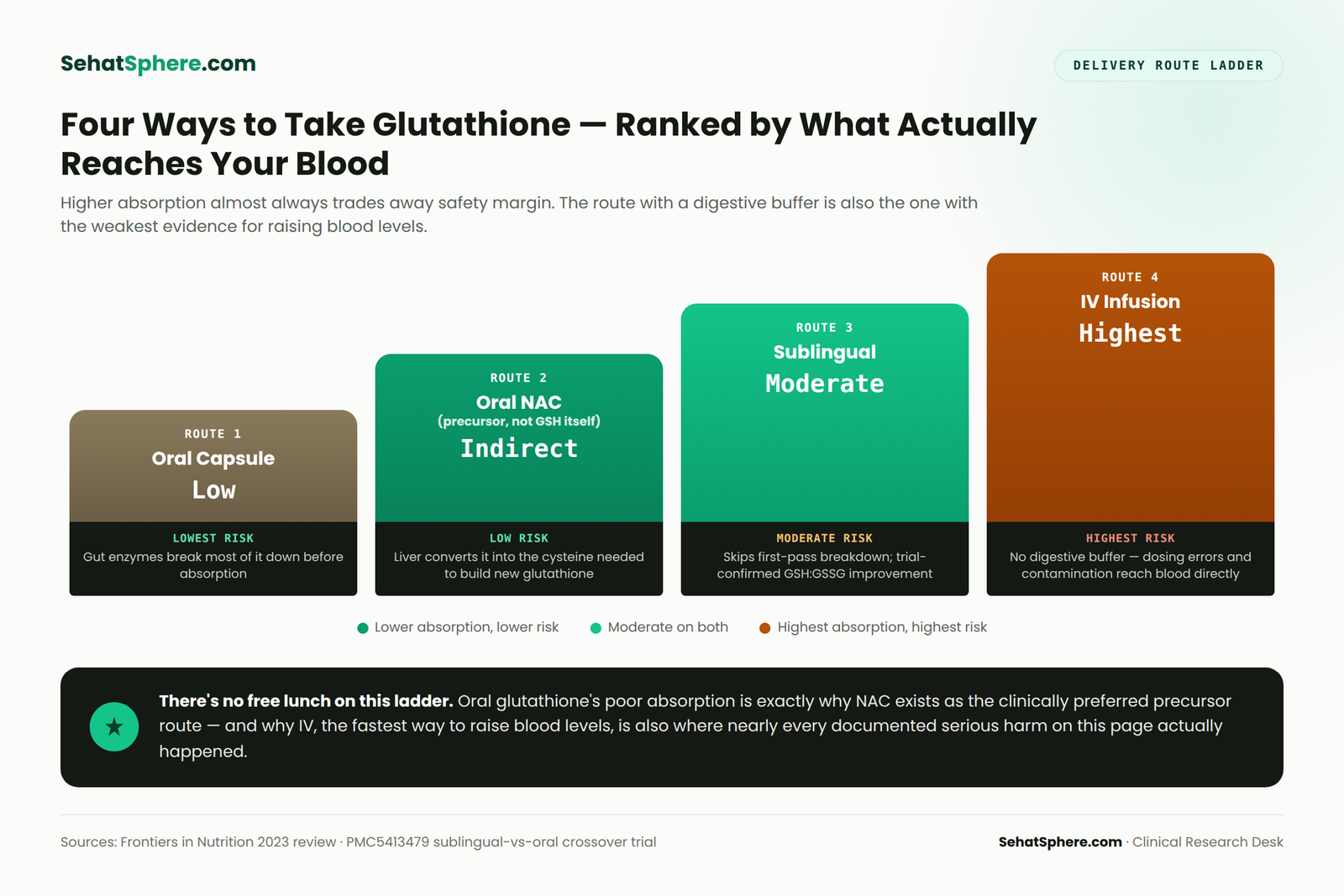
Bioavailability climbs with each step up this ladder — and so does everything that can go wrong if the product or technique isn’t right.
4. The NAC Connection: Why It’s the Antidote, Not Glutathione Itself
Here’s a diagnostic secret most glutathione marketing never mentions: the biggest real-world proof of how central glutathione is to drug safety has nothing to do with skin or wellness. It’s the standard hospital antidote for acetaminophen (paracetamol) overdose — and that antidote is N-acetylcysteine, not glutathione.
Acetaminophen is metabolized by liver CYP450 enzymes into a small amount of a toxic byproduct called NAPQI. Under normal dosing, your liver’s glutathione stores neutralize NAPQI as fast as it forms, and it’s excreted harmlessly. In an overdose, NAPQI is produced faster than existing glutathione can neutralize it — glutathione stores become depleted, NAPQI accumulates, and it directly damages liver cells, sometimes fatally [8].
If glutathione itself were well absorbed orally or by IV, giving it directly would be the obvious emergency treatment. Instead, hospitals give NAC — efficiently absorbed and converted into cysteine, the rate-limiting ingredient your liver needs to rebuild its own glutathione supply, faster and more reliably than dosing glutathione ever achieves [8]. NAC works best within 8 hours of an overdose, still helps after that window, but cannot undo damage already done — only prevent more.
This single fact reframes a lot of the “just take glutathione” marketing: even in the one scenario where restoring glutathione levels is unambiguously life-saving, medicine doesn’t reach for glutathione itself. It reaches for the precursor that actually gets there.
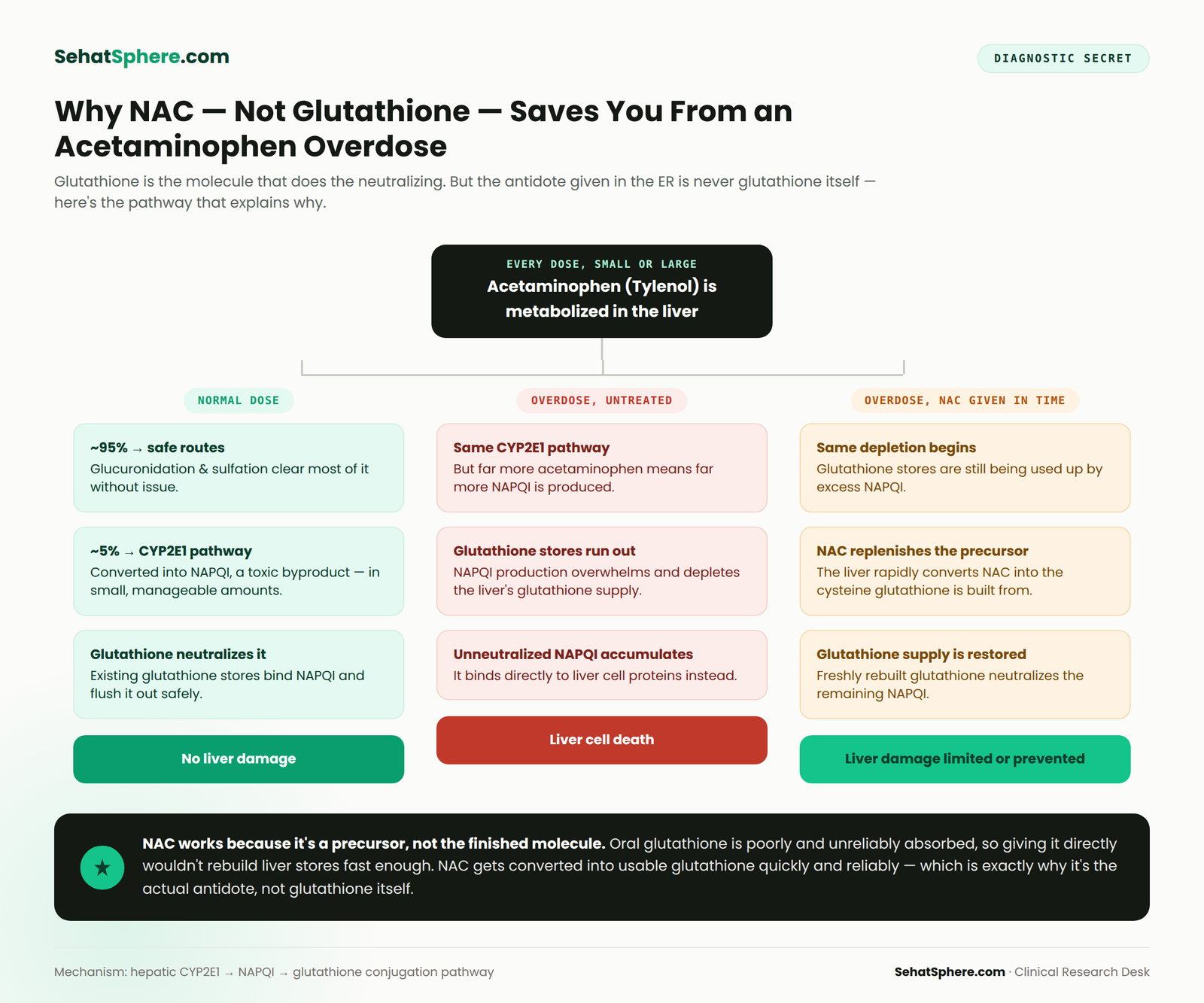
Same starting point, three different outcomes — the difference is whether glutathione’s precursor arrives in time.
5. Other Medications Worth Checking Against
Beyond the chemotherapy question above, glutathione and your medications can intersect in a few other everyday ways worth knowing about before you add a supplement to your routine.
Thyroid medication (levothyroxine)
Levothyroxine absorbs almost entirely within the first 30–60 minutes after ingestion, taken on an empty stomach, and its absorption is measurably reduced by calcium, iron, and a range of other supplements and foods taken at the same time [9]. Glutathione hasn’t been specifically studied against levothyroxine in a controlled trial, but the same general absorption-competition principle applies, and the standard, low-risk precaution is the same one used for every other supplement on this site’s “and your medications” series: take glutathione at least 60 minutes after levothyroxine, not simultaneously. Timing isn’t the only place people trip up with thyroid medication — dosing changes, storage mistakes, and brand-switching without retesting are just as common, so a periodic check-in with your prescriber is worth it even once your levels stabilize.
GLP-1 medications (semaglutide, tirzepatide)
There’s no established direct pharmacological interaction between glutathione and GLP-1 drugs. But a documented case report describes a patient on tirzepatide who developed systemic inflammatory response syndrome after a high-dose IV “revitalizing” cocktail containing glutathione. Researchers identified two likely contributing factors, not one: endotoxin contamination in the unregulated product was the “most likely proximate trigger,” but the patient’s prolonged dietary restriction from tirzepatide had also depleted the amino acids — cysteine, glycine, glutamate — needed to synthesize glutathione, likely compromising her antioxidant defenses and predisposing her to an exaggerated inflammatory response [10].
That’s more precise than “contamination, most likely” alone: the GLP-1 drug’s own effect on nutrition appears to have made the reaction worse, not just coincided with it. If you’re managing weight with a GLP-1 medication, our Mounjaro & Ozempic diet guide covers what else deserves caution alongside it, including adequate protein intake to avoid exactly this depletion.
Chemotherapy and radiotherapy agents
Covered in depth above — but worth restating plainly: do not add glutathione during active cancer treatment without your oncologist’s explicit knowledge and approval, regardless of how it’s marketed to you.
If you’re tracking several medications at once and want a faster way to cross-check new additions, the Integrative Interaction Checker is built for exactly this.
6. Kidney Disease, Diabetes & Pregnancy: What the Evidence Actually Shows
Kidney disease
A 2022 multicenter randomized controlled trial tested reduced glutathione combined with a traditional Chinese herbal formula (Chuan Huang Fang) against reduced glutathione alone, in patients with acute kidney injury layered on chronic kidney disease, stages 2–4. The combination group showed greater improvement in creatinine, blood urea nitrogen, and eGFR, with no meaningful difference in adverse events — only mild, isolated side effects across 98 participants [11]. The honest caveat: this trial tested glutathione paired with an herbal formula, not alone, so it doesn’t establish standalone kidney benefit — but it does support an acceptable safety profile for reduced glutathione, dosed appropriately, in this CKD population under medical supervision. Self-directed high-dose glutathione without that supervision, especially IV, is a different, untested scenario.
Diabetes and insulin sensitivity
This is the most positive human data in this entire guide, and it rarely makes it into glutathione content at all. A randomized trial gave 20 obese men — 10 with type 2 diabetes, 10 without — either 1,000 mg/day of oral glutathione or placebo for 3 weeks. Whole-body insulin sensitivity increased significantly in the glutathione group in both subgroups. The improvement didn’t track with measurable changes in oxidative stress markers, suggesting the benefit may work through a different pathway than the antioxidant mechanism usually assumed [12]. This is a small, short trial — it doesn’t establish glutathione as a diabetes treatment — but it’s a real, positive, mechanistically interesting signal that deserves more attention than the skin-brightening claims usually get.
Pregnancy and breastfeeding
There is no established human safety or efficacy data for supplementing glutathione itself during pregnancy or breastfeeding — an honest gap, not a documented harm. The closest related research is a 2026 trial of high-dose, weight-based N-acetylcysteine (not glutathione) given to pregnant women at genuine risk of imminent preterm birth, under close hospital supervision. Even at doses far beyond anything sold over the counter, the NAC failed to meaningfully raise the primary target — umbilical cord glutathione levels — though it was safe overall and showed a suggestive, not proven, trend toward longer pregnancies and fewer neonatal complications [13].
That trial is not a reason to consider glutathione or NAC supplementation during an ordinary pregnancy; it was a specialized intervention for a specific high-risk situation, with dosing nothing like a retail bottle. The standard, cautious advice holds: don’t start glutathione during pregnancy or while breastfeeding without your obstetrician’s input, simply because the safety data doesn’t exist yet, not because harm has been shown.
7. The IV Drip Risk Nobody Puts on the Menu
Oral and sublingual glutathione carry a comparatively modest risk profile. IV glutathione is a different category entirely, and it’s worth understanding why before booking a “glow drip” appointment.
A published case report describes a patient on tirzepatide who developed systemic inflammatory response syndrome following a high-dose IV glutathione cocktail — researchers found the most likely proximate trigger was endotoxin contamination in an unregulated product, compounded by the patient’s own tirzepatide-related nutritional depletion [10].
That case sits inside a broader pattern. Regulatory bodies, including the Philippines FDA, have issued specific warnings against unregulated cosmetic glutathione injections, citing inconsistent dosing, non-sterile compounding, and reports of liver and kidney stress at high or prolonged doses [10]. The injection route bypasses the digestive system’s natural filtering — any contamination, incorrect concentration, or compounding error goes straight into circulation.
None of this means every IV glutathione clinic is unsafe. Licensed practitioners using pharmaceutical-grade product in a proper clinical setting are a meaningfully different risk category than an unregulated “wellness lounge” cocktail — a distinction rarely explained to the person booking the appointment.
The two risks compound in a way rarely spelled out: someone in active cancer treatment is often also the person most drawn to “detox and glow” IV drips to counter chemotherapy’s toll on skin and energy — placing the efficacy risk and the contamination risk in the same patient, at the wrong time.
8. Real Scenarios I See Often
Illustrative patterns from pharmacy-counter conversations, not published case reports.
A patient partway through breast cancer chemotherapy asks about a weekly glutathione IV a friend recommended for “glowing skin and less fatigue.” The request seems reasonable — until you consider it sits directly inside the still-unresolved research question about whether antioxidant supplementation blunts the very mechanism their chemotherapy depends on.
Someone managing hypothyroidism starts a daily oral glutathione supplement alongside their morning levothyroxine, taken together for convenience. Their next thyroid panel comes back slightly off, and the more likely explanation is competing absorption at the same intake window — not a mystery, just a fixable timing habit nobody mentioned.
Someone on tirzepatide for weight management, eating noticeably less than usual, books a “wellness reset” IV cocktail advertised as detoxifying and energizing. They don’t connect their GLP-1 medication’s dietary restriction to their own depleted glutathione-building amino acids — exactly the combination the tirzepatide case report flagged as a compounding risk factor, not just bad luck with one contaminated batch.
9. Myths I Hear Constantly About Glutathione
It’s just an antioxidant, so it can only help.
The same free-radical-neutralizing action that protects healthy cells is mechanistically the same action some chemotherapy agents are actively trying to exploit against cancer cells — context determines whether that’s helpful or counterproductive.
IV is always more effective, so it’s worth the extra cost.
IV delivery does raise blood levels faster and higher than oral or sublingual glutathione. But higher and faster isn’t automatically better — it also means less room for error if the technique isn’t right.
NAC and glutathione are basically the same supplement.
NAC contains no glutathione at all — it’s a precursor amino acid your liver converts to cysteine, then uses to build its own glutathione. That extra step is exactly why NAC, not glutathione, is the acetaminophen-overdose antidote.
If a clinic offers it, it must be regulated and safe.
Injectable glutathione isn’t specifically approved for cosmetic skin-lightening in most regulatory frameworks, even where the compound is legal in medical contexts. The gap between “legal ingredient” and “approved, standardized cosmetic use” is where most documented harm has occurred.
“Liposomal” automatically means proven, superior absorption.
Liposomal delivery is real, but most bioavailability claims for liposomal glutathione come from manufacturer-funded research — the independent evidence base is thinner than the marketing implies.
Glutathione supplements are basically the same as sea moss or other trending minerals.
Not quite. Our Sea Moss and Your Medications guide covers a mineral-variability problem; glutathione’s issue is a biochemical mechanism question tangled up with active cancer treatment — a fundamentally different, higher-stakes risk category.
10. A Safer-Use Checklist
If someone is already mixing glutathione and your medications, or clearly will regardless of caution, here’s the realistic harm-reduction version:
- Disclose it to every prescriber — oncologist, endocrinologist, anyone managing your care — even if it feels like “just a skin thing.”
- Never start or continue it during active chemotherapy or radiotherapy without explicit written clearance from your treating oncologist.
- Take it at least 60 minutes after levothyroxine, which should be taken first on an empty stomach.
- Favor oral or sublingual forms over IV for general antioxidant support — sublingual outperforms plain oral capsules on the evidence available.
- If you do choose IV, confirm the clinic uses licensed pharmaceutical-grade product, not an unregulated cocktail — especially if you’re also on a GLP-1 medication and eating less than usual.
- Don’t start glutathione during pregnancy or while breastfeeding without your obstetrician’s input — the safety data simply isn’t there yet.
- Ask about periodic liver and kidney function testing with extended high-dose use, especially with existing kidney disease.
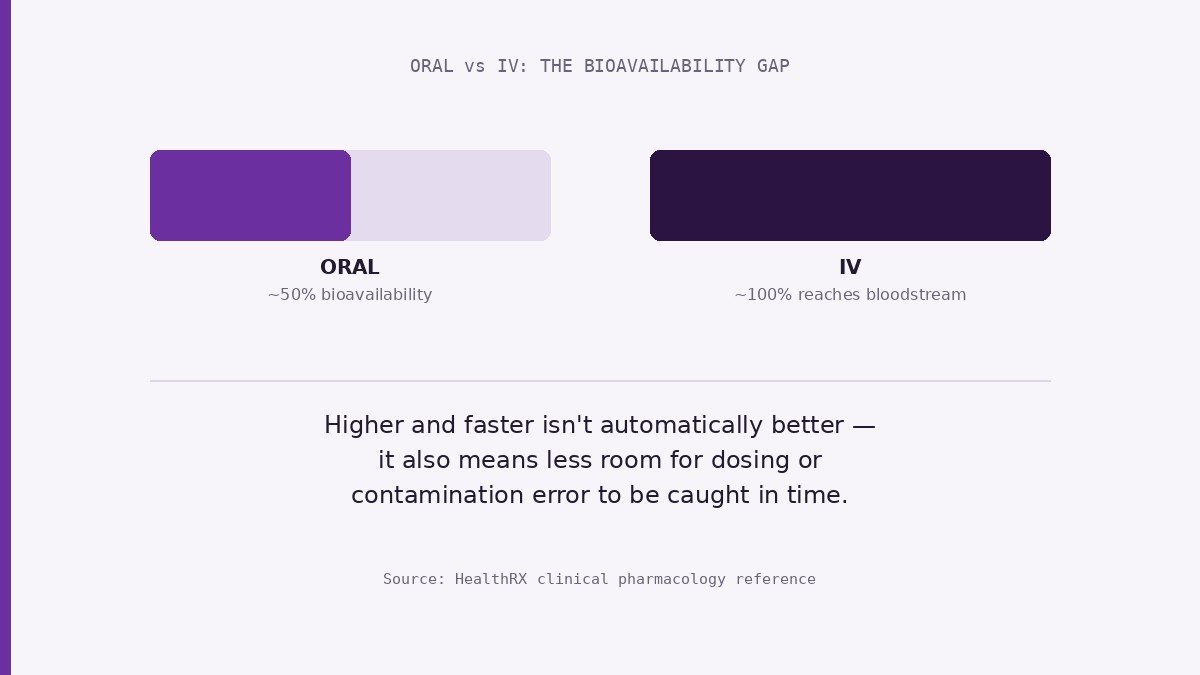
The bioavailability gap between oral and IV glutathione is exactly why the injection route carries a different risk category — not just a stronger dose.
If you’re not sure whether ongoing fatigue or dull skin reflects an oxidative-stress or nutrient issue worth addressing, the free Nutrient Deficiency Symptom Finder is a more useful starting point than a supplement trend. If you already have recent bloodwork, our Blood Report Decoder can help you understand what your liver and thyroid markers are telling you before adding anything new. For the broader framework I use with every patient managing multiple medications, see the Complete Guide to Medicine Safety. Other trending “and your medications” habits worth cross-referencing: Sea Moss and Proffee.
11. What to Actually Ask Your Doctor to Monitor
Marketing pushes glutathione as something you simply take. From a biomarker standpoint, there’s a more useful version of that conversation:
GSH:GSSG ratio
The reduced-to-oxidized glutathione ratio is the closest thing to a direct oxidative-stress marker, and the same metric the sublingual-vs-oral crossover trial used to show a real difference between routes. It’s rarely ordered outside research or specialized labs — worth asking about if a clinic charges for glutathione “optimization” without testing your baseline.
Liver function panel (ALT, AST, GGT)
Since glutathione sits inside Phase II liver detoxification, prolonged high-dose use — especially IV — is a reasonable trigger for periodic liver enzyme monitoring, the same panel already used for many prescription medications.
Kidney function (creatinine, eGFR)
Worth tracking alongside liver enzymes for anyone with chronic kidney disease considering glutathione, given how the CKD trial above paired it with close monitoring rather than unsupervised self-dosing.
Thyroid panel (TSH, free T4)
If you’re on levothyroxine and adding glutathione, a follow-up thyroid panel six to eight weeks in confirms whether the absorption-timing fix actually held.
Tumor markers, if applicable
For anyone in active cancer surveillance or treatment, “just monitor it yourself” isn’t sufficient — any supplement decision belongs inside the oncology team’s existing monitoring plan, not alongside it.
12. Quick Glossary
Tripeptide
A small molecule made of three linked amino acids. Glutathione is built from glutamine, cysteine, and glycine — its small size is part of why digestive enzymes break it down so readily when taken orally.
GSH:GSSG ratio
The ratio of reduced (active, GSH) to oxidized (spent, GSSG) glutathione in blood or cells. A higher ratio reflects lower oxidative stress and better antioxidant reserve.
NAPQI
The toxic byproduct created when the liver metabolizes acetaminophen. Normal glutathione stores neutralize it safely; an overdose depletes glutathione faster than it can be replaced, letting NAPQI accumulate and damage liver cells.
Gamma-glutamyltranspeptidase (GGT)
An enzyme at the gut wall that breaks down glutathione before much can be absorbed intact — the main reason oral glutathione’s effect on blood levels is limited compared to sublingual or IV.
Phase II detoxification
The stage of liver metabolism where glutathione and other molecules attach to drugs and toxins to make them water-soluble enough to excrete.
Explore the rest of the Free Health Tools Library, or read more about our editorial process on About Us.
13. Quick Knowledge Check
Five questions to confirm the mechanisms above actually stuck — not a graded exam, just a gut check.
14. Frequently Asked Questions
What is glutathione, exactly?
Glutathione is a tripeptide made of glutamine, cysteine, and glycine, produced naturally by nearly every cell in the body. It’s the body’s most abundant intracellular antioxidant, central to neutralizing reactive oxygen species and liver detoxification.
Does glutathione actually work for skin brightening?
Some evidence supports modest, temporary skin-lightening at oral doses in the 250–1,000 mg/day range studied in trials, but the effect is inconsistent, reverses after stopping, and isn’t an approved cosmetic treatment in most regulatory frameworks.
Can I take glutathione during chemotherapy?
This is unsettled science. Lab research shows glutathione can blunt the oxidative-stress mechanism some chemotherapy drugs depend on, while broader antioxidant reviews found no interference across hundreds of studies. Most oncologists advise against supplementing without explicit approval.
Did a real study show antioxidants including glutathione increase cancer recurrence?
The widely-cited SWOG study did find higher recurrence risk with antioxidant use during chemo — but it tested vitamins A, C, E, carotenoids, and CoQ10, not glutathione. The concern for glutathione comes from separate cell-line research, not this trial.
Is IV glutathione more effective than oral?
IV delivery bypasses the gut-enzyme breakdown oral glutathione experiences, producing higher blood levels faster — but that also means dosing errors and contamination reach the bloodstream directly, with no digestive buffer.
Is sublingual glutathione actually better than capsules?
A randomized crossover trial found sublingual glutathione raised the GSH:GSSG ratio significantly more than an oral capsule, making it a reasonable middle option between oral and IV for people wanting better absorption without an injection.
Why is NAC used for acetaminophen overdose instead of glutathione itself?
Glutathione is poorly and unreliably absorbed. NAC is a precursor the liver efficiently converts into the cysteine it needs to rebuild glutathione from scratch — faster and more reliably than dosing glutathione directly.
Does glutathione interact with thyroid medication?
It hasn’t been specifically studied against levothyroxine, but the same absorption-competition principle that applies to other supplements likely applies here. Separating doses by at least 60 minutes, levothyroxine first on an empty stomach, is the standard precaution.
Is glutathione safe with GLP-1 drugs like Ozempic or Mounjaro?
There’s no established direct pharmacological interaction, but a case report describes a serious inflammatory reaction in a tirzepatide patient after an unregulated IV cocktail — likely contamination, compounded by the GLP-1 drug’s dietary restriction depleting the amino acids needed to make glutathione.
Can glutathione help with diabetes or insulin resistance?
A small 3-week randomized trial found 1,000 mg/day of oral glutathione significantly improved insulin sensitivity in obese men with and without type 2 diabetes — a genuinely positive, if small and short-term, finding.
Is glutathione safe for people with kidney disease?
A supervised trial combining reduced glutathione with an herbal formula showed an acceptable safety profile in CKD patients with acute kidney injury, but it didn’t test glutathione alone — self-directed high-dose or IV use without supervision is a different, untested scenario.
Is glutathione safe during pregnancy or breastfeeding?
There’s no established human safety data for glutathione in pregnancy or breastfeeding. The closest related research used supervised, high-dose N-acetylcysteine in high-risk preterm-birth cases — a very different scenario. Don’t start it without your obstetrician’s input.
What are the real risks of glutathione injections?
Documented risks include allergic reactions up to anaphylaxis, liver and kidney stress with prolonged high-dose use, and serious complications from unregulated or contaminated products administered outside a proper medical setting.
How do I safely combine glutathione and your medications?
Disclose it to every prescriber, especially an oncologist if you’re on chemotherapy, separate it from thyroid medication by at least an hour, choose oral or sublingual over injectable when possible, and only use IV formulations administered in a licensed clinical setting.
The Bottom Line
Glutathione and your medications aren’t automatically incompatible for most healthy adults using it thoughtfully — and the evidence base is more interesting than skin-brightening marketing suggests, including a genuine positive signal on insulin sensitivity that rarely gets mentioned. What deserves more caution than the glow-drip marketing implies is the intersection with active cancer treatment, where the science honestly hasn’t settled yet; the injectable route, where documented harm traces back to unregulated sourcing and, in one case, a GLP-1 medication’s own nutritional side effects; and pregnancy, where the safety data simply doesn’t exist yet. Treat all three as conversations for your care team, not assumptions to make alone.
Why Trust This Guide
- “Harnessing Antioxidants in Cancer Therapy: Opportunities, Challenges, and Future Directions.” PMC, National Institutes of Health, 2025. pmc.ncbi.nlm.nih.gov
- “Antioxidants Threaten Multikinase Inhibitor Efficacy against Liver Cancer by Blocking Mitochondrial Reactive Oxygen Species.” Antioxidants. 2021;10(9):1336. mdpi.com
- Ambrosone CB, et al. “Antioxidant Use During Chemo Risky.” SWOG Cancer Research Network, NCI-funded, published in Journal of Clinical Oncology, 2019. swog.org
- “Antioxidants and other nutrients do not interfere with chemotherapy or radiation therapy and can increase kill and increase survival, Part 1.” PubMed. pubmed.ncbi.nlm.nih.gov
- “Therapeutic controversies over use of antioxidant supplements during cancer treatment: a scoping review.” PMC, National Institutes of Health, 2024. pmc.ncbi.nlm.nih.gov
- “Glutathione: Pharmacological aspects and implications for clinical use in non-alcoholic fatty liver disease.” Frontiers in Medicine. 2023. frontiersin.org
- “Effects of N-acetylcysteine, oral glutathione (GSH) and a novel sublingual form of GSH on oxidative stress markers: A comparative crossover study.” Journal of Traditional and Complementary Medicine. sciencedirect.com
- “Acetaminophen Poisoning.” Merck Manual, Professional Edition. merckmanuals.com
- “Vol 6 Issue 11: Levothyroxine Absorption.” American Thyroid Association, Clinical Thyroidology for Patients. thyroid.org
- “Systemic Inflammatory Response Syndrome Following High-Dose Intravenous Glutathione-Containing Revitalising Solution in a Patient on Tirzepatide: A Case Report.” PMC, National Institutes of Health. pmc.ncbi.nlm.nih.gov
- “Chuan Huang Fang combining reduced glutathione in treating acute kidney injury (grades 1–2) on chronic kidney disease (stages 2–4): A multicenter randomized controlled clinical trial.” Frontiers in Pharmacology. 2022. frontiersin.org
- “The effects of 3 weeks of oral glutathione supplementation on whole body insulin sensitivity in obese males with and without type 2 diabetes: a randomized trial.” Applied Physiology, Nutrition, and Metabolism. 2021;46(9):1133–1142. pubmed.ncbi.nlm.nih.gov
- “Antenatal N-acetylcysteine supplementation in pregnant women with impending preterm birth: a prospective randomized placebo-controlled trial.” Pediatric Research. 2026. nature.com