
Fever This Monsoon? Check Before You Treat
Why self-medicating with whatever’s in your cabinet could delay a dengue or malaria diagnosis — and which common Indian medicines actively make dengue worse.
What I see at the pharmacy counter every monsoon
Medicines to avoid in dengue fever is something every household should know before monsoon fever strikes. Every year, the same pattern repeats. Someone gets a fever, reaches for whatever tablet is already in the house, and waits it out. Days pass. Only when the fever refuses to break do they finally get a blood test — and by then, it’s dengue, malaria, or typhoid, already a few days in.
I’ve seen patients take paracetamol and other tablets on their own the moment fever starts, without a prescription. It’s only when they don’t improve that they find out later it’s malaria or dengue. The blood test should come first — talk to a doctor before you decide what to take.
— Sarwar Alam Chaudhary, Pharmacist, from the pharmacy counterThis isn’t about blaming anyone — when you’re running a fever, the instinct to just “take something and rest” is completely natural. But this monsoon, two things make that instinct riskier than usual: dengue cases in India are already running ahead of previous years, and some of the most common tablets sitting in Indian medicine cabinets can actively worsen dengue if you happen to have it without knowing.
So the real message of this guide is simple: if fever doesn’t settle in a day, get tested before you keep self-treating. Everything below is to help you do that safely in the meantime.
Medicines to Avoid in Dengue Fever: Your Medicine Cabinet Check
Dengue lowers your platelet count, which is what helps your blood clot. Some common painkillers make that worse by thinning the blood further or irritating your stomach lining — a dangerous combination if you have dengue and don’t know it yet.
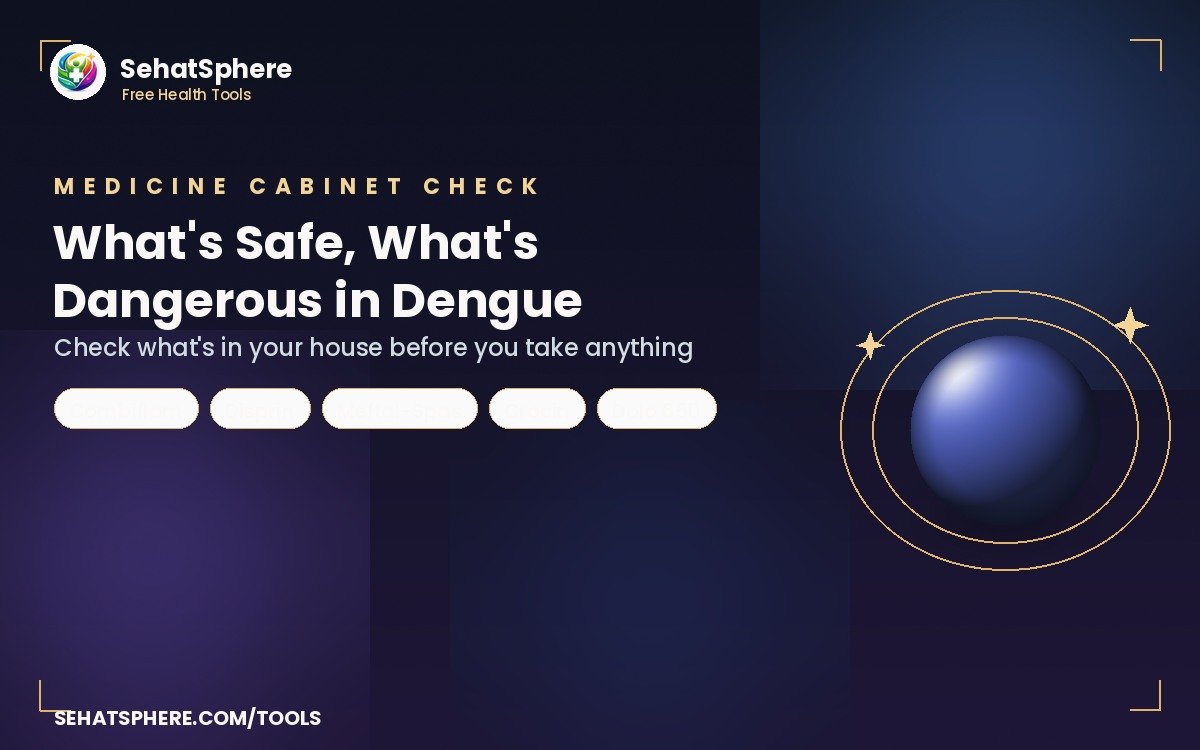
- Crocin — paracetamol
- Dolo 650 — paracetamol
- Calpol — paracetamol
- Paracip — paracetamol
- Combiflam — ibuprofen + paracetamol
- Disprin — aspirin
- Meftal-Spas — mefenamic acid
- Brufen, Voveran — ibuprofen/diclofenac
Why this matters
Combiflam and similar tablets combine paracetamol with ibuprofen — and it’s the ibuprofen half that’s the problem. NSAIDs like ibuprofen, aspirin (Disprin) and mefenamic acid (Meftal-Spas) interfere with platelet function and irritate the stomach lining. If you already have dengue, that combination sharply raises the risk of internal bleeding — even from a single dose. Paracetamol alone (Crocin, Dolo, Calpol) is the only fever medicine considered safe until you know what you’re actually dealing with.
When to get tested (don’t wait it out)
This is the part I most want people to take seriously: if a fever hasn’t settled within 24–48 hours, get a blood test — don’t keep cycling through home remedies and tablets hoping it resolves on its own. A simple CBC, along with a Dengue NS1 test (most accurate in the first 5 days) or an IgM/IgG antibody test (after day 5), gives your doctor the real picture. These are also the tests recommended in India’s official dengue guidelines from the National Center for Vector Borne Diseases Control (NCVBDC), Ministry of Health & Family Welfare.
- Fever lasting more than 1–2 days without improvement
- High fever with severe headache, pain behind the eyes, or body ache
- Skin rash appearing a few days into the fever
- Anyone in the household or neighbourhood already diagnosed with dengue
Platelet count danger zones explained
If your doctor orders a CBC, here’s what the platelet number actually means. Normal range is roughly 1.5 to 4.5 lakh per microlitre. In dengue, this typically starts falling around day 3–5 and hits its lowest point around day 5–7, before recovering.
Two important caveats: doctors never rely on the number alone — symptoms and hydration status matter just as much. And a platelet count can drop overnight, which is exactly why self-treating without monitoring is risky.
Already have a blood report?
Paste your CBC values into our free tool for an instant breakdown.

Already took the wrong medicine? Don’t panic
If you’ve already taken a Combiflam or Disprin before reading this, stop taking it and don’t take another dose. A single dose in someone who doesn’t have dengue is generally not dangerous. The real risk is repeated use while you have an undiagnosed dengue infection. Watch for the warning signs below, and mention exactly what you took and when to your doctor.
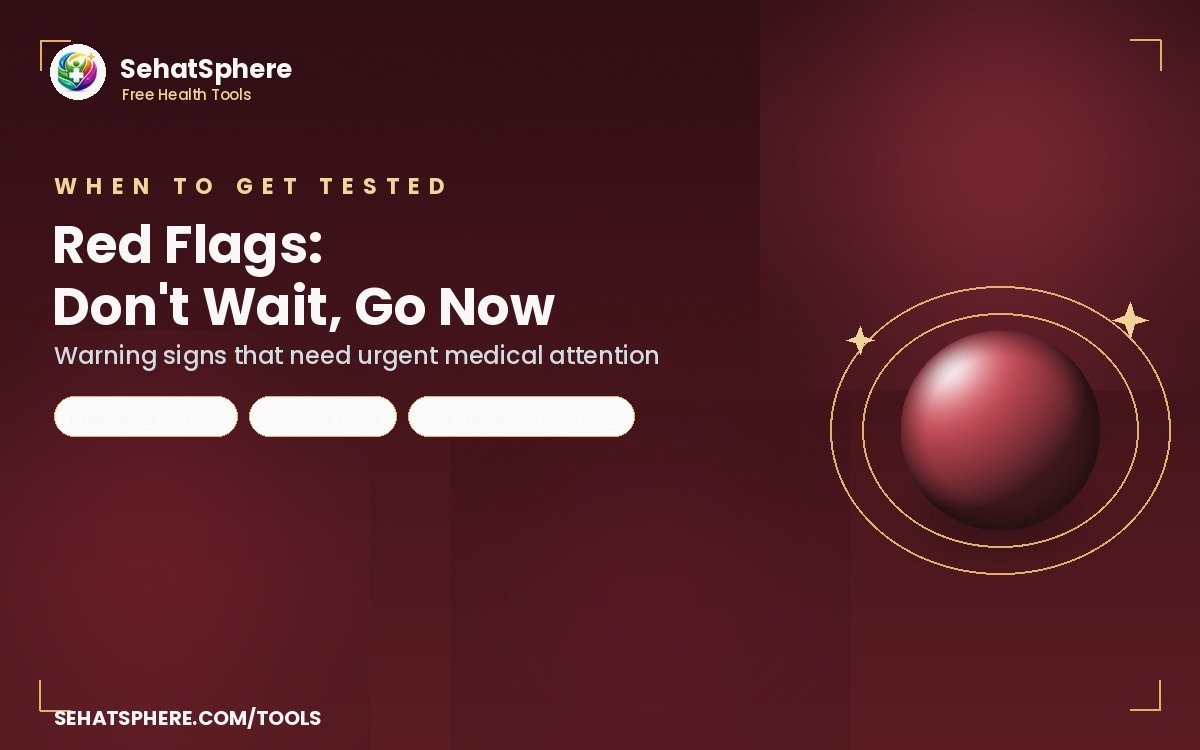
Any of these — go to a hospital immediately, regardless of your platelet count.
Safe home care while you wait for results
- Paracetamol only, at the correct dose and interval — not on top of other paracetamol products
- Plenty of fluids — water, ORS, coconut water, clear soups
- Rest — platelets are produced while your body is at rest
- Monitor temperature and symptoms; repeat blood tests as your doctor advises
- Mosquito protection at home, even while sick — to avoid spreading dengue further

Frequently Asked Questions
Which medicines should I avoid if I have dengue?
Avoid NSAIDs and aspirin-containing medicines such as Combiflam, Disprin, Meftal-Spas, Brufen and Voveran. These interfere with platelet function and increase bleeding risk. Paracetamol (Crocin, Dolo, Calpol) is the only fever medicine considered safe.
Can I take Combiflam for fever before I know if it’s dengue?
It’s safer not to. During monsoon season, when dengue, malaria and typhoid all present as “just fever,” stick to paracetamol alone until you’re tested, since Combiflam contains ibuprofen, which is risky if you turn out to have dengue.
What platelet count is dangerous in dengue?
Above 1,00,000 is generally safe with home monitoring. Between 50,000 and 1,00,000 needs closer monitoring. Below 50,000 is a caution zone, and below 20,000 is considered critical, requiring urgent medical care.
How soon should I get tested if I have a fever this monsoon?
If fever doesn’t improve within 24–48 hours, get a blood test rather than continuing to self-treat. A Dengue NS1 test is most accurate in the first 5 days; an IgM/IgG antibody test is used after that.
I already took Combiflam before I knew I had dengue — what should I do?
Stop taking it immediately and don’t take another dose. Watch for bleeding gums, blood in vomit/stool, severe abdominal pain or unusual bruising, and tell your doctor exactly what you took and when. A single earlier dose is usually not an emergency on its own.
Written by Sarwar Alam Chaudhary
A practising pharmacist who is also pursuing BHMS and works in a hospital setting — the medicine cabinet warning in this guide comes directly from what I see at the pharmacy counter every monsoon season. More about the author →