
Eating a Credit Card? Microplastics in Blood & Detox Guide
Clinical Topic Roadmap
1. The Ingestion Crisis: Navigating the Invisible Plastic Burden
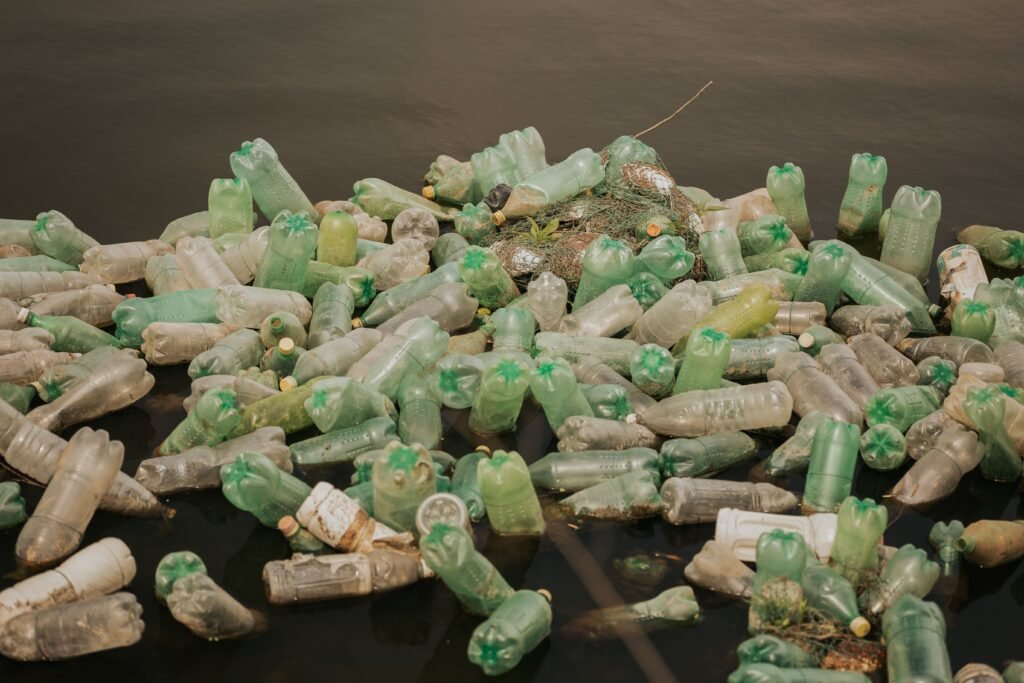
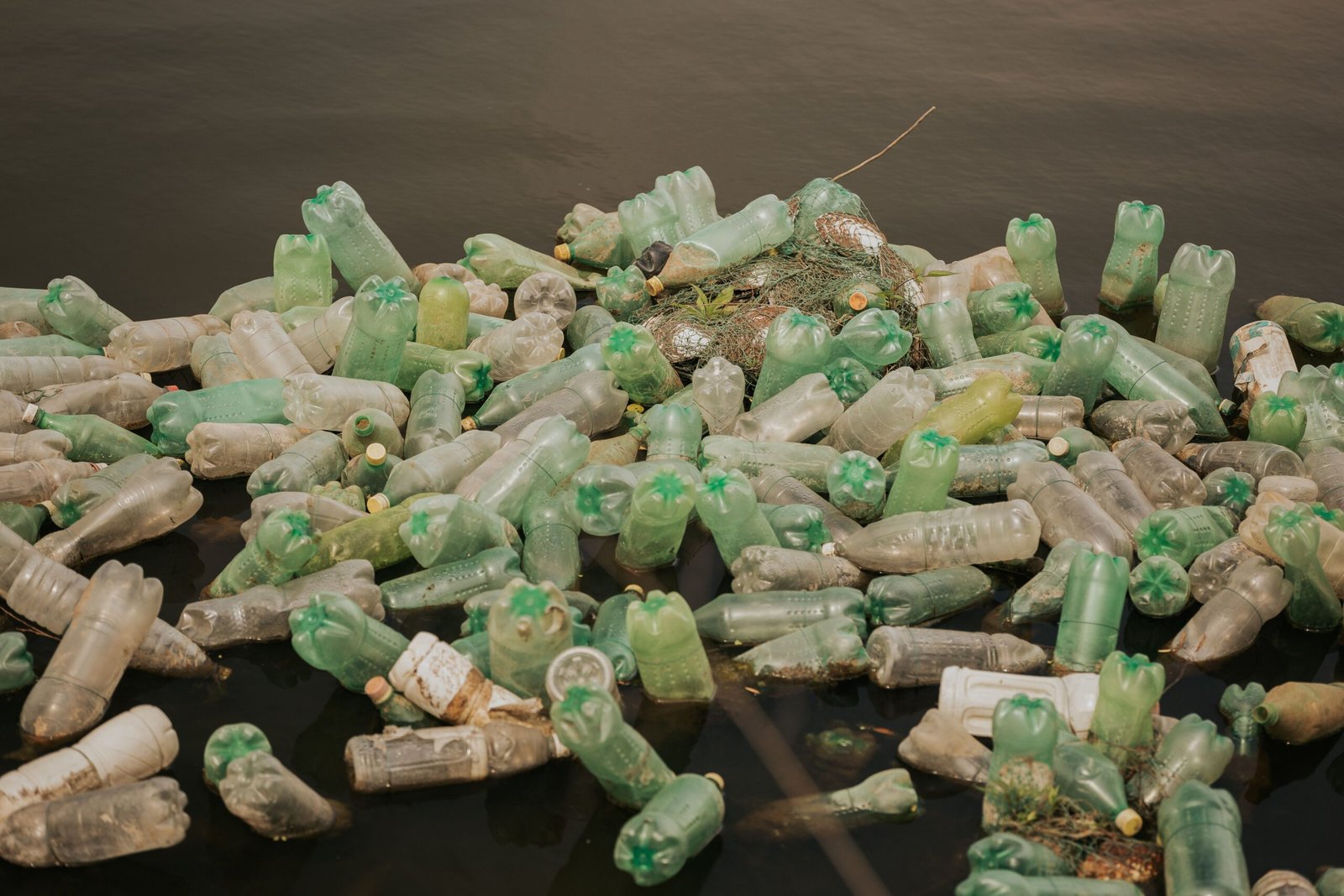
Look carefully at your direct environment. The water vessels on your office desk, the synthetic fibers interwoven into your wardrobe, and the delivery containers lining your kitchen counters all share a common chemical origin. While corporate marketing divisions emphasize convenience, molecular biology uncovers a deeply concerning reality: consumer plastics are not chemically inert. They undergo chronic physical degradation, shedding billions of microscopic synthetic polymers every single day.
Peer-reviewed environmental studies indicate that the modern adult consumes roughly 5 grams of plastic every seven days. This weight corresponds directly to the structural mass of a standard plastic credit card. This chemical influx enters the human body not from chewing on large materials, but via the continuous infiltration of sub-micron particles known as microplastics and nanoplastics. Consequently, understanding the hidden footprint of microplastics in blood has shifted from an environmental hypothesis to an undeniable medical emergency.
Everyday Consumables Toxicity Scanner
Type a common food or drink item (e.g., Water, Tea, Salt, Fish) to analyze estimated microplastic exposure metrics:
These synthetic particles act as chemical sponges, absorbing organic pollutants and heavy metals from the environment. Once inside your digestive tract, they bypass intestinal barriers, travel via cellular transport pathways, and embed directly into blood vessels and vascular spaces.
2. Cardiovascular Dynamics: Vascular Infiltration & Clot Risks
When foreign synthetic polymers enter the bloodstream, human biochemistry triggers an immediate immune response. Recent vascular research has identified microplastic particles embedded within coronary arteries and peripheral blood vessels. When studying the exact path of microplastics in blood, clinical data shows these hard, non-biodegradable particles induce mechanical irritation along the delicate endothelial lining of blood vessels, sparking chronic internal inflammation.
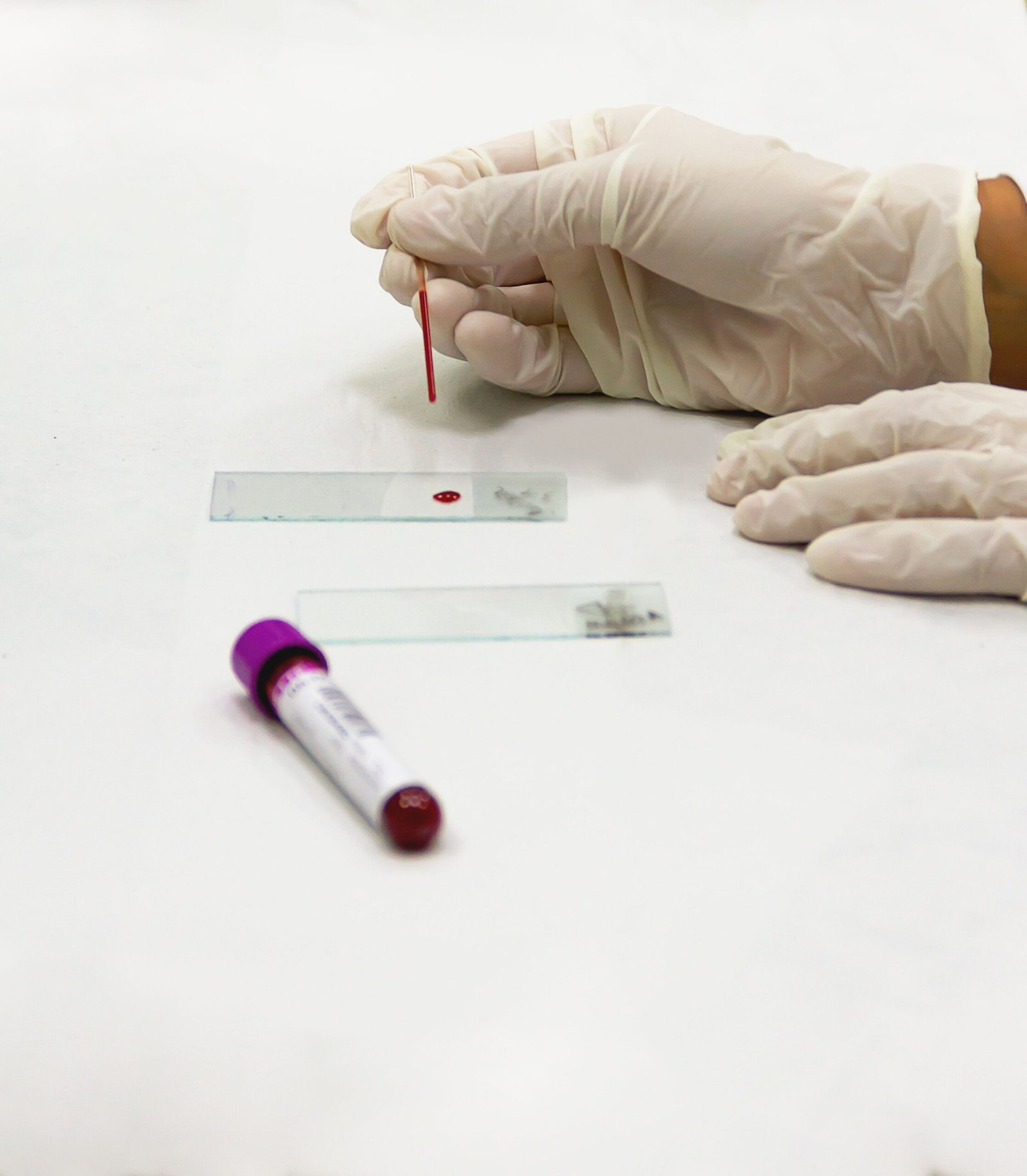
This localized stress acts as a persistent catalyst for blood cell clumping and cellular oxidation. As the immune system repeatedly tries and fails to degrade these synthetic polymers, defensive plaque builds up inside the arteries. Over time, this vascular narrowing reduces arterial flexibility, directly causing blood pressure spikes and raising structural strain across the entire cardiovascular network.
3. Metabolic & Endocrine Costs: Cellular Exhaustion & Mitochondrial Fatigue
The molecular toll of internal microplastics impacts more than just your heart. Most industrial plastics contain structural additives like Bisphenol-A (BPA) and Phthalates, well-documented endocrine-disrupting chemicals (EDCs). Once these compounds leach into the human bloodstream, they mimic the structure of natural hormones, binding directly to thyroid and cellular receptors.
This receptor blocking disrupts cellular communication networks. The presence of toxic microplastics in blood forces human mitochondria to face prolonged oxidative stress, impairing their ability to generate cellular energy (ATP). This energy crash can manifest clinically as severe chronic fatigue and persistent brain fog that doesn’t improve, even after a full night of rest.
Systemic Bio-Accumulation Symptom Audit
Check any persistent symptoms you are experiencing to evaluate your estimated synthetic polymer toxicity load:
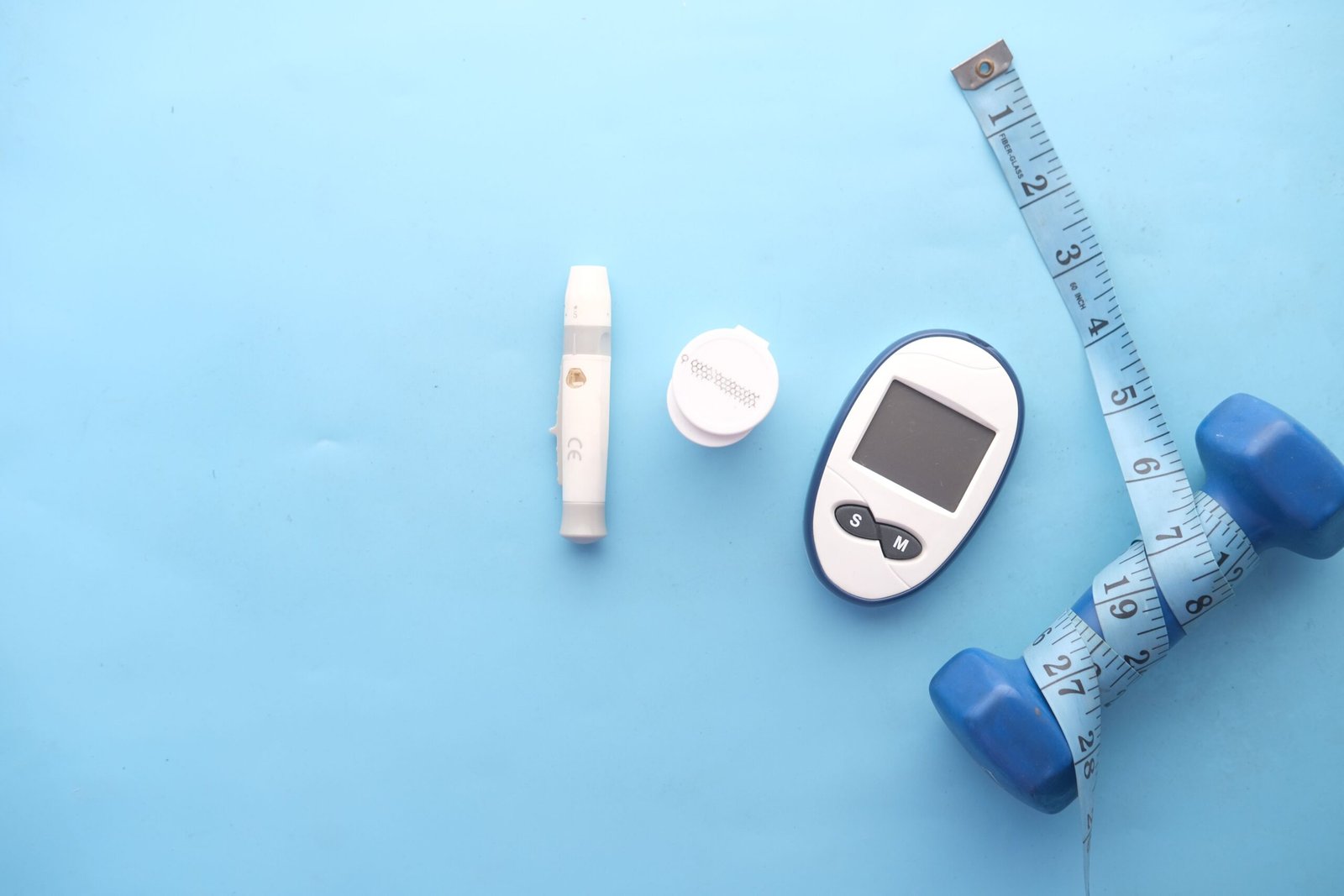
Baseline Metabolic Capacity Engine (BMI & BMR Matrix)
Enter your health parameters to map out baseline cellular processing speed and organ clearance capacities:
4. Cellular Longevity Matrix: Breaking Down Synthetic Cellular Aging
Persistent biological accumulation of synthetic compounds accelerates internal aging. When immune cells spend excessive resources attempting to break down non-biodegradable microplastics, it triggers rapid cellular division and shortens telomeres prematurely. This accelerated wear and tear damages the integrity of human tissue networks, leading to systemic decline across your organs.
This dynamic creates a dangerous split between your chronological age and your internal cellular age. Individuals heavily exposed to industrial plastics frequently display organic deterioration patterns, primarily because the accumulation of microplastics in blood strains foundational cellular repair mechanisms.
Is Plastic Aging Your Internal Organs?
Uncover the concrete divide between your current calendar age and your true internal organ efficiency using our clinical algorithm.
Launch Your Biological Longevity Audit Now5. Microplastics in Blood: Tissue Accumulation Matrix
To help visualize how industrial plastics travel through our bodies, clinical researchers map the concentrations and sizes of various polymers across different organ groups. Below is a structured breakdown summarizing recent clinical sample data regarding the concentration metrics of microplastics in blood and deep human body tissue systems:
| Human Organ / System | Primary Polymer Identified | Average Particle Size | Primary Exposure Source |
|---|---|---|---|
| Peripheral Blood Vessels | Polyethylene Terephthalate (PET) | < 5.5 micrometers | Single-Use Beverage Bottles |
| Deep Pulmonary Tissue | Polypropylene (PP) / Nylon | < 15.0 micrometers | Airborne Synthetic Textile Dust |
| Hepatic / Liver Parenchyma | Polystyrene (PS) | < 2.0 micrometers | Heated Takeaway Containers |
| Gastrointestinal Tract | Polyvinyl Chloride (PVC) | < 40.0 micrometers | Commercial Marine Food Sources |
6. Clinical 2026 Detox Protocol: Practical Strategies to Purge Your Body Burden
While reversing complete global plastic pollution requires large-scale industrial changes, shielding your own body demands immediate personal action. You can systematically lower your daily toxic load by adopting a highly targeted protective protocol designed to optimize your body’s natural elimination pathways.

- Eliminate Thermal Activation: Never introduce plastic containers to heat. Even items labeled “microwave safe” will leach billions of particles into your meals when heated. Switch entirely to glass or unglazed ceramic kitchenware.
- Upgrade Filtration Infrastructures: Move away from basic carbon pitcher options. Protect your drinking supply with an advanced multi-stage Reverse Osmosis (RO) filtration system to trap sub-micron synthetic debris.
- Transition Your Kitchen Tools: Swap out synthetic cutting surfaces and plastic spatulas. Opt for natural wood or premium stainless steel alternatives to stop micro-fragments from shearing off into your food during meal prep.
- Boost Natural Clearance: Support your liver and kidneys with antioxidant-rich cruciferous vegetables. These clean, whole foods boost your body’s natural production of glutathione, helping to clear out plastic-associated toxins.
Plastic-Free Hydration Tracker
Track your pure, plastic-free hydration intake to help flush out cellular byproducts:
Microplastic Exposure Safety Assessment
Which culinary habit triggers the highest rate of microplastic ingestion?
Antioxidant Defense Reminder Engine
Set an optimized daily reminder alert to keep your cellular defense systems primed:
Community Discussion Stream
An excellent breakdown. As a practitioner, I see chronic fatigue daily that has clear roots in ongoing metabolic stress. Re-evaluating everyday kitchen items is an essential starting point.
Switched out all my old plastic containers today. The comparison to consuming a credit card weekly really opened my eyes.