
Heart Attack in Young Adults: Symptoms, Causes, Prevention & Recovery Plan (2026 Ultra Pro Guide)
📊 Table of Contents
Quick Answer What is Heart Attack? Symptoms in Young Adults Common Causes Heart Healthy Diet Daily Routine & Lifestyle Common Mistakes 7 Day Recovery / Prevention Plan Heart Awareness Table FAQ Your Feedback & Subscribe⚡ Quick Answer (Featured Snippet)
Heart attack occurs when blood flow to the heart is blocked, usually due to plaque build-up in arteries. In young adults, it is often triggered by stress, poor diet, smoking, obesity, and genetic factors. Early recognition of symptoms, lifestyle modification, and medical guidance are crucial.
🧠 What is Heart Attack? (Deep Explanation)
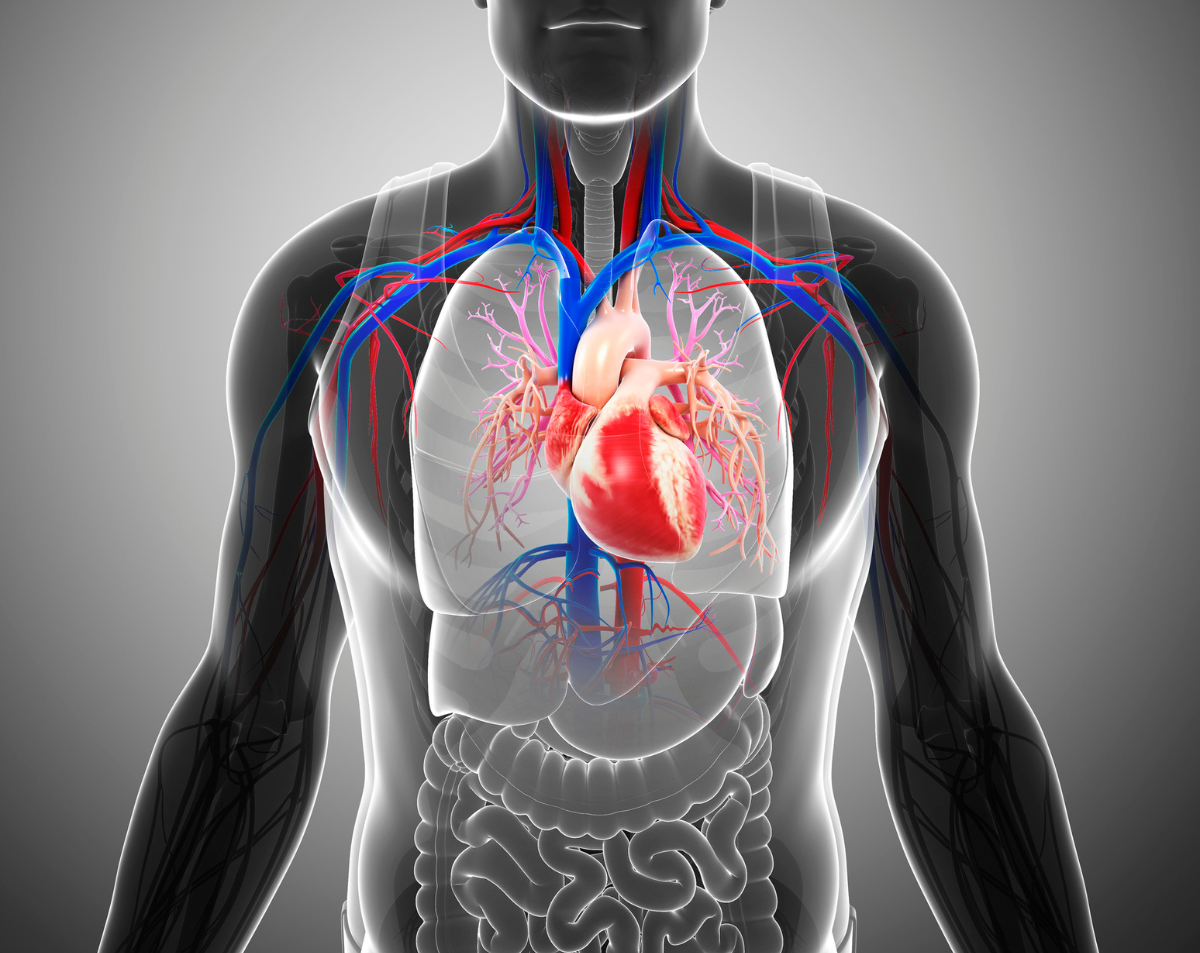
📌 Heart Function
The heart pumps blood and oxygen to the body. Any blockage in coronary arteries reduces oxygen supply, causing tissue damage.
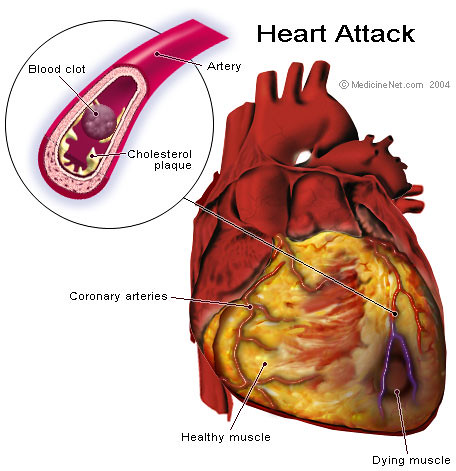
📌 How Heart Attack Starts
Plaque formation (cholesterol + fat deposits) narrows arteries. A sudden clot or rupture can block blood flow, resulting in a heart attack.
📌 Risk in Young Adults
- Genetic predisposition
- High stress levels
- Poor diet and physical inactivity
- Smoking and alcohol
Early intervention dramatically improves outcomes.
💓 Symptoms of Heart Attack in Young Adults
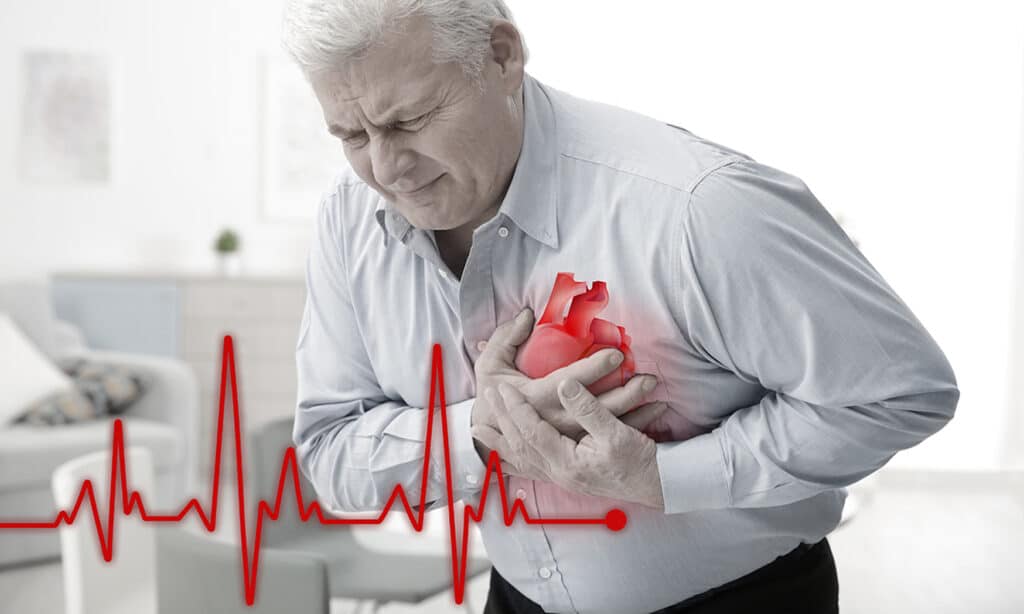
Young adults may experience classic and atypical symptoms. Early detection is critical:
- Chest pain or pressure, often mild initially
- Shortness of breath
- Palpitations or irregular heartbeat
- Nausea or vomiting
- Cold sweats and fatigue
- Lightheadedness or dizziness
- Atypical signs: jaw pain, back discomfort, extreme tiredness
🔥 Common Causes of Heart Attack in Young Adults
Understanding triggers helps in prevention:
- Poor diet & high sugar intake
- Obesity & sedentary lifestyle
- Stress & anxiety
- Smoking & alcohol
- Genetic & family history
- High cholesterol & hypertension
🥗 Heart Healthy Diet (Detailed Table)
Eating the right foods reduces risk and supports heart recovery:
| Food | Benefit |
|---|---|
| Oats & whole grains | Lowers cholesterol |
| Leafy greens | Rich in antioxidants |
| Fruits | Vitamins + fiber |
| Fish (salmon, sardines) | Omega-3 fatty acids |
| Nuts & seeds | Healthy fats |
| Legumes | Protein & fiber |
🔥 Daily Routine & Lifestyle Tips
Consistency in lifestyle habits is essential for prevention and recovery:
- Morning: Light exercise + meditation
- Balanced diet throughout the day
- Avoid prolonged sitting, take small walks
- Hydration: 2–3 liters water
- Sleep: 7–8 hours
- Stress management techniques: breathing, yoga, journaling
❌ Common Mistakes to Avoid
- Ignoring early warning signs
- Smoking & excessive drinking
- Skipping check-ups
- Poor diet choices
- Neglecting mental health
🚀 7 Day Prevention / Recovery Plan
Follow this plan to reduce risk and strengthen heart health:
- Day 1–2: Detox & hydration, reduce sugar and caffeine
- Day 3–4: Light exercises, heart-healthy meals
- Day 5–6: Yoga + meditation, monitor blood pressure & sugar
- Day 7: Balanced diet, track heart rate, plan weekly routine
Consistency over weeks improves cardiovascular health significantly.
💡 Heart Awareness Table
| Awareness Tip | Action |
|---|---|
| Know family history | Check heart-related diseases in relatives |
| Monitor blood pressure | Weekly checks to detect hypertension |
| Reduce stress | Daily meditation or yoga |
| Maintain healthy diet | Follow balanced meals with fruits, vegetables, nuts |
| Regular exercise | 30 mins walking or cardio daily |
| Avoid smoking & alcohol | Quit smoking, limit alcohol intake |
| Know early symptoms | Chest pain, breathlessness, palpitations |
| Regular check-ups | Yearly cardiac screening |
| Stay hydrated | Drink 2–3 liters water daily |
| Sleep well | 7–8 hours of restful sleep |
❓ FAQ (Top 10 Questions)
1. What are early signs of heart attack in young adults? Chest discomfort, shortness of breath, fatigue, palpitations.
2. Can stress trigger heart attack? Yes, chronic stress increases risk.
3. Is heart attack preventable? Yes, with diet, exercise, and lifestyle management.
4. Should young adults check cholesterol regularly? Yes, at least once a year.
5. Are heart attacks reversible? Tissue damage is permanent, but risk can be reduced.
6. Does smoking affect risk? Significantly increases risk.
7. Can exercise reduce risk? Yes, improves cardiovascular health.
8. Is diet important? Crucial for prevention.
9. Can anxiety mimic heart attack? Sometimes, but medical check-up is necessary.
10. When to seek emergency care? Immediate if chest pain lasts >15 mins or accompanied by dizziness/sweating.
⚠️ Disclaimer
🏁 Conclusion
Heart attacks can affect young adults silently. Early detection, lifestyle modification, and consistent monitoring are key to prevention and recovery.
Start Heart Healthy Life Today💌 Your Feedback Matters!
We’d love to hear what you think about this guide. Leave your email below to subscribe and get weekly heart tips directly in your inbox!
📚 Recommended Reads:
- Immunity Kaise Strong Kare – 7 Powerful Tarike (Doctor Level Guide 2026)
- Pet Ki Gas Aur Acidity Ka Ilaj – 10 Gharelu Nuskhe
- Pait Ki Garmi Door Karne Ke Turant Upay (Gharelu Nuskhe)
- Moo Ke Chhale Ka Ilaj
- Fatty Liver Treatment – 7 Day Recovery Guide 2026
- Boost Immunity Naturally
- Mental Stress: Causes, Symptoms & How to Reduce Naturally