
We have all been there. You plan your night perfectly, stick to a disciplined bedtime routine, and clock in a solid 7 to 8 hours of uninterrupted rest. You expect to wake up bursting with productivity and sharp focus. Instead, you feel like a heavy weight is dragging you down, battling a persistent brain fog that refuses to clear up.
Waking up chronically exhausted after getting what is universally considered “enough sleep” is incredibly frustrating. However, based on the latest sleep literature, a fundamental rule remains: Sleep duration does not automatically guarantee biological restoration. If you are ready to stop dragging yourself out of bed, let’s look beyond the clock and break down the hidden reasons why this happens.
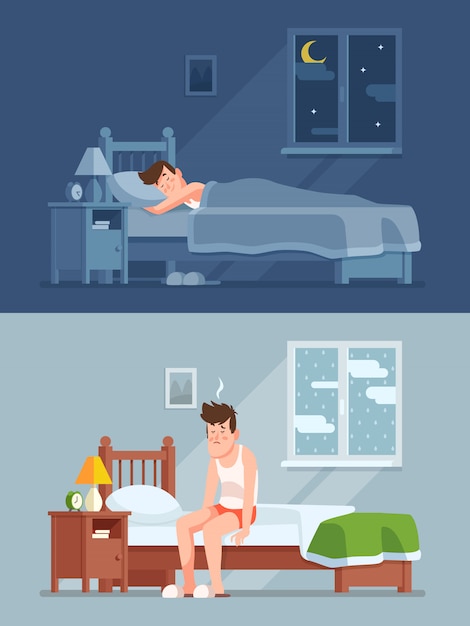
💡 The Physiology of Morning Fatigue: Prolonged Sleep Inertia
That heavy, disoriented feeling immediately after waking up is biologically known as Sleep Inertia. Under normal physiological conditions, this transition state lasts roughly 15 to 30 minutes while your brain gradually activates its neural networks. However, when this grogginess stretches for hours, it transitions from a normal biological adjustment into a clear signal of deeper circadian mismatch or poor sleep depth.
5 Hidden Reasons You Wake Up Tired After 8 Hours
Disrupted Sleep Architecture (Lack of Deep Sleep)
Healthy sleep moves in structured cycles, shifting between Light, Deep, and REM (Rapid Eye Movement) phases. Deep sleep is the critical window where your body repairs tissues and flushes out metabolic waste. If your environment causes subtle micro-arousals—even if you don’t consciously remember waking up—your brain fails to stay in deep sleep long enough to recover. This is often triggered by an unsupportive mattress or sub-optimal room temperatures.
Chronic Baseline Dehydration
Your body spends roughly 7 to 8 hours expending moisture through respiration and metabolic processes without receiving any fluid intake. If you do not hydrate properly during the daytime, you enter a state of mild dehydration by morning. Dehydration slightly reduces blood volume, making your heart work harder to deliver oxygen to your brain, which manifests as immediate morning sluggishness.
Late-Night Digestion & Blue Light Exposure
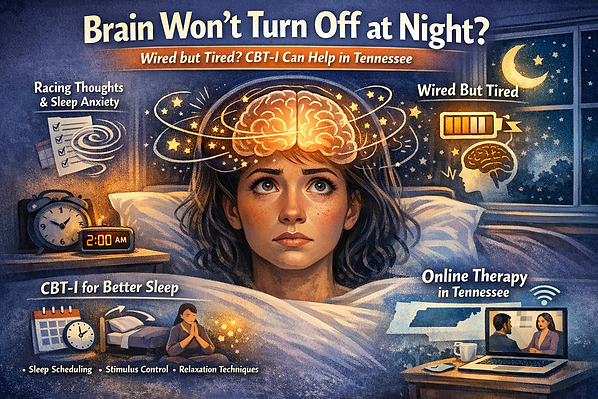
Eating a heavy or highly spiced meal within 3 hours of sleeping forces your gastrointestinal tract into active labor during a period when your body should be focusing its energy reserves on cellular healing. Compounding this is late-night phone use. The short-wavelength blue light suppresses the production of melatonin (the sleep hormone), misleading your brain into thinking it is still daylight.
Micronutrient Deficiencies
In many instances, your habits are solid, but your underlying biochemistry lacks key essentials. Health researchers frequently link morning exhaustion to deficiencies in Vitamin D3 and Vitamin B12. Vitamin D3 helps modulate healthy sleep architecture, while B12 is essential for cellular energy production. Without adequate levels, your cells cannot produce energy efficiently, leaving you chronically drained.
Elevated Cortisol Levels (Stress and Anxiety)
Going to sleep while overthinking about daily challenges or checking stressful work updates keeps your nervous system trapped in a “fight-or-flight” mode. This triggers the sustained release of cortisol (the stress hormone). Even if you fall asleep for 8 hours, this state prevents your brainwaves from easing into deep, restorative slow-wave sleep cycles.
The Morning Energy Checklist
To systematically reset your sleep cycles, test this 4-part lifestyle protocol:
| Lifestyle Protocol | Biological Mechanism |
|---|---|
| Digital Sunset | Eliminating screen exposure 45 minutes before sleep allows natural melatonin to peak safely. |
| Hydration Habit | Drinking 500ml of ambient water upon waking helps expand blood volume and clear morning brain fog. |
| Circadian Anchor | Waking up at the exact same hour every day helps strengthen and program your internal biological clock. |
| Sunlight Exposure | Exposing your eyes to 10 minutes of morning sunlight helps suppress melatonin and boost cognitive alertness. |

Frequently Asked Questions (FAQs)
Why do I feel more tired when I sleep for 9 or 10 hours?
This is often caused by oversleeping, scientifically referred to as hypersomnia. Extending sleep past your normal window alters your body’s circadian rhythm, confusing your biological internal clock and significantly extending the length of your morning Sleep Inertia.
Could my morning fatigue be a sign of an underlying health issue?
Yes. If your habits, hydration, and daytime nutrition are completely balanced and the exhaustion persists past several weeks, it is recommended to visit a qualified healthcare practitioner to check for clinical markers like thyroid imbalances or systemic nutrient deficiencies.